
2024 Rose Availability List
-
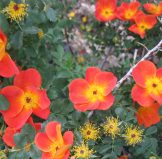
Austrian Copper
Above and Beyond
- Austrian Copper – (f. bicolor)
- Autumn Damask
- Autumn Sunblaze
- Banshee
- Bridal Sunblaze
- Brilliant Veranda
- Burgundy Ice
- Campfire
- Carefree Delight
- Carefree Spirit
- Carefree Wonder
- Celestial Night
- Champlain
- Charles Darwin
- Coral Cove
-
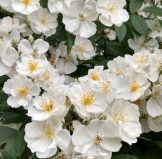
Darlow’s Enigma
Cream Veranda
- Darlow’s Enigma
- Denver’s Dream
- Dortmond
- Double Knockout
- Earth Angel
- Emily Carr
- Fairmount Proserpine
- Felix Leclerc
- Fire Meidiland
- Firecracker Kolorscape
-
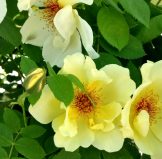
Golden Wings
Fred’s Loads
- Gertrude Jekyll
- The Gift
- Golden Opportunity
- Golden Wings
- Gourmet Popcorn
- Henry Kelsey
- Heritage
- Hope for Humanity
- Iceberg
- Jeanne Lajoie
- JoAn’s Pink Perpetual
- John Davis
- Lady In Red
- Laguna
- Lemon Fizz Kolorscape
-
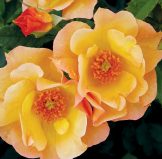
Morden Sunrise
Lilian Austin
- Mandarin Sunblaze
- Mary Rose
- Millie Walters
- Morden Sunrise
- Mountain Mignonette
- Petite Peach
- Quadra
- Red Ribbons
- Robusta
- Scarlet Meidiland
- Sophy’s Rose
- Sunbeam Veranda
- Sweetbriar Rose
- Sweet Chariot
-
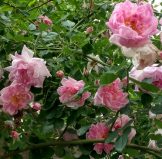
Victorian Memory
Tess of the d’Urbervilles
- Valentine’s Day
- Victorian Memory
- White Meidiland
- William Baffin
- Winchester Cathedral
- Winner’s Circle
- Zephirine Drouhin
 An article in the Guardian caught our eye with the alarming headline ‘Vegetables are Losing Their Nutrients’. It begins with the findings in a 2004 University of Texas study showing dramatic declines in the nutrient content of 43 foods, mostly vegetables, between the mid and late 20th century: green beans have seen a nearly 50% drop in calcium, while asparagus has lost almost half its Vitamin A content.
 Our compost tea will be ready this week, hopefully by Friday. Our tea has always been good, but this year we are working on making it even better. Please let us know if you can see good results from using it, and if it seems to be more effective.
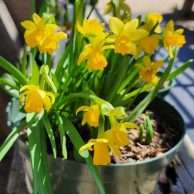 Miss planting bulbs last fall? No worries, we’ve got you covered. Choose from miniature daffodils, chionodoxa, hyacinth, tulips and more.
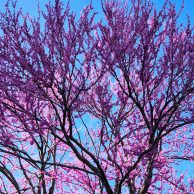 The fields and the foothills are turning green! So many trees are blooming or beginning to leaf out! There is so much energy bursting forth everywhere I look! After the lovely rain last weekend we emerged from our Sunday class to be greeted by the singing of frogs in a big puddle in the parking lot! How can they develop that fast???
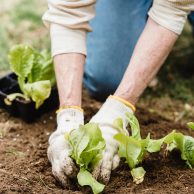 There’s much to do in the garden in April, from finalizing your garden plan, attending to your tools, to the annual spring clean up and pruning and lawn and vegetable garden prep, and PLANTING, DIVIDING and TRANSPLANTING!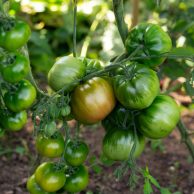
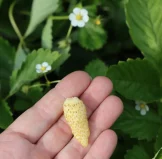
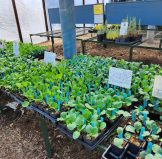 VEGETABLES

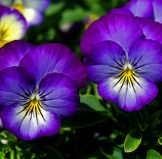
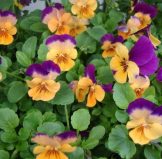
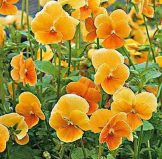
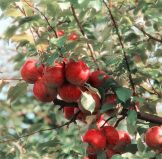 Lots of Fruit Trees: the best cherries, plums and apples for the Front Range!
 March is bringing us a characteristic tilt of the see-saw that this month always brings. Tank tops can go back in the drawer for a little while, as this week we will see night-time temperatures dipping into the mid-20s. We are expecting rain (~1.6 inches in Boulder, ~3 inches in Denver!), and heavy, wet snow, too. We’ve been here before; no need to panic. And we need the moisture!
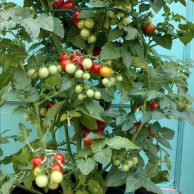
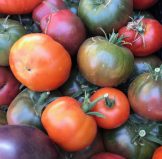 HARLEQUIN’S GARDENS 2025 TOMATO STARTS
 Dear Friends and Fellow Gardeners,
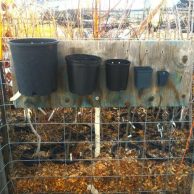 At Harlequin’s Gardens, we’ve been reusing and recycling black plastic nursery pots since day one. It is very important to us that we minimize our plastic waste. We have always encouraged our customers to bring back to us the nursery pots that came with the plants you purchased from us, and you have responded with enthusiasm, which we appreciate!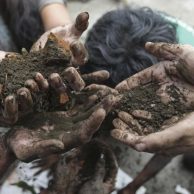
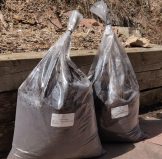
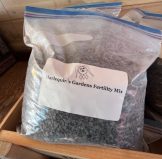
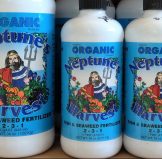 Neptune’s Harvest Organic Fertilizers
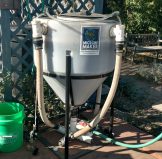 Compost Tea
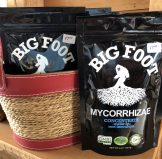 Big Foot Mycorrhizae
 Fort Vee
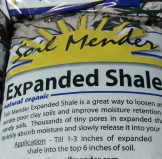 Expanded Shale
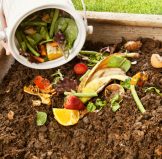 So even though there is nothing you can do at the moment, very soon, before it’s warm enough to plant, you can start making your bed sexy. Sexy soil sprouts seeds, grows roots and leaves, builds strength, makes flowers and fruit, and defends against pests.
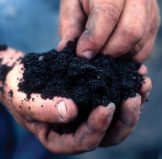 Let the biology do a lot of the work. It’s not hard to add more later; it’s very hard to correct too much. Keep the soil covered with mulch or living plants. Even native plants appreciate some compost to hold moisture and provide a light feeding when they are young. One more thing: avoid poisonous pesticides, fungicides and herbicides, like the plague. They kill or undermine the health of your allies—the soil life. Toxic pesticides are the opposite of sexy; they are like inviting the Grim Reaper into the bedroom. There are effective, non-toxic alternatives.
 What about no-till? Not turning the soil makes sense once you’ve got the soil life in a good environment. Then you don’t want to disturb the symbiotic networks. Then you can feed from the surface; good tilth and worms will take the food down.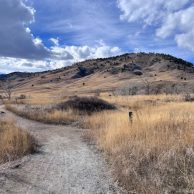
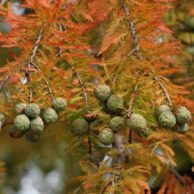
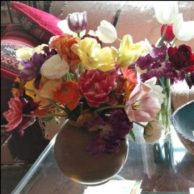 In our culture today, Valentine’s Day immediately brings to mind Romantic Love, Flowers, Gift-giving and Chocolate. And though this very old Saint’s Day has now been commercialized to the Nth degree, it’s still one of the happier occasions we celebrate, so why not enjoy it in our own way? Romance, Love, flowers, gifts and chocolate are all very positive and uplifting. And we have some recommendations for all of those categories except Romance (you’re on your own there!).

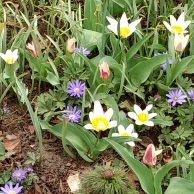
 Well, that was a false alarm!
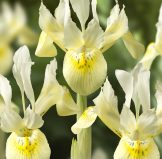 We go the extra mile to bring you special bulbs that other nurseries just don’t offer. Many of them are delightful smaller beauties at home in the front of the border, under deciduous trees and shrubs, and in the rockery. They are selling quickly, so be sure to come in to be sure of the best selection. Here is a list, and descriptions, of the fall and spring-blooming treasures for your home garden!
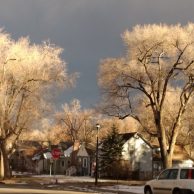
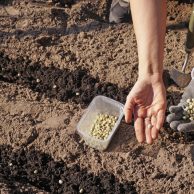
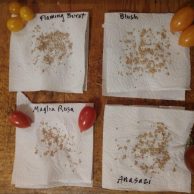 SAVING YOUR TOMATO SEEDS
 Colorado gardeners know that the first hard frost date here varies wildly from year to year, and from the valleys to the high elevations. Here in the Boulder Valley we are expecting the temperature to make its first dip into the frigid zone tonight, with a prediction of 29 degrees, just one degree above ‘hard frost’. And our first snow is predicted for Thursday. This may translate into a lot of flower, fruit, and vegetable crops cut short, and a lot of work protecting vulnerable plants, harvesting, and preserving. How many of you spent the weekend making pesto, tomato sauce, pickles, jam, and flower bouquets? Here are our recommendations for cold weather and snow preparations.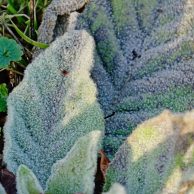
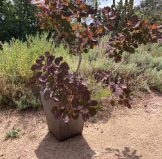
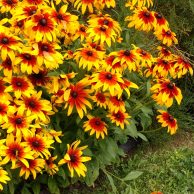 Fall is among the best times to plant perennials. While we may begin to wilt from late summer heat, many plants rise to the occasion and burst into bloom! As days begin to grow shorter, perennials spend the next few months developing root systems or taproots that delve well below the hot, dry surface soil. Pollinators depend on finding pollen and nectar sources through the entire summer, so it’s important to include late-summer and autumn bloomers in your garden.