Undaunted Ruby Muhly
We often recognize grasses for their ornamental attributes – textural diversity, dynamic, flowing movement in the breeze, reflecting the dancing light, seasonal transitions, summer screening of unsightly areas, as well as their value in providing food and habitat for wildlife. Large grasses and groupings of smaller ones can share heavily-mulched, low-water, low-maintenance beds with shrubs for plant diversity and visual interest. Grasses also hold the soil, and enrich it, too.
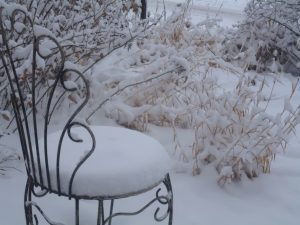
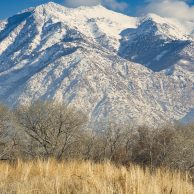 Historically February is one of Colorado’s snowiest months, and finally we’re beginning to see evidence of that this year! Additionally, the forecast indicates more to come. It remains to be seen how some of our marginally hardy garden plants have suffered from the below zero temperatures.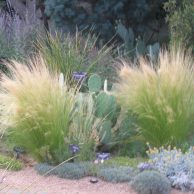
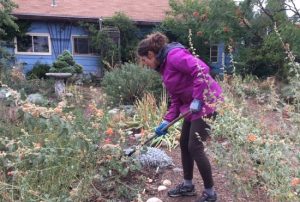
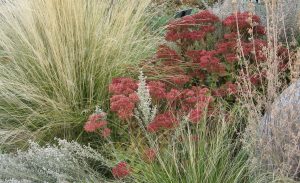
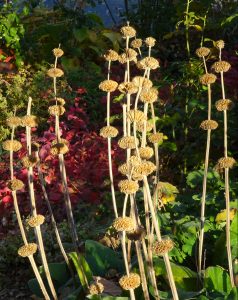
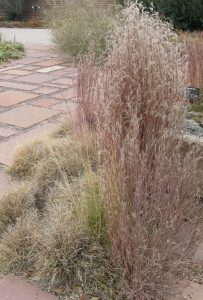 Unless you have an ‘ornamental’ grass that self-sows aggressively, leave grasses and their seedheads standing. If they are ‘cool-season’ grasses, you’ll want to leave them until about mid-February, then cut them to 3” above the ground so they can begin making unimpeded new growth as soon as the soil thaws. Dormant ‘warm-season’ grasses can remain attractive until warm weather comes and don’t need to be cut down until April.