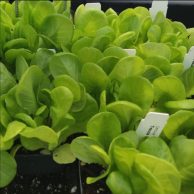
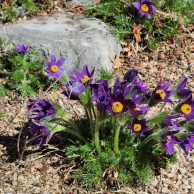
As part of HG’s commitment to supporting local ecology and local economy, we have the pleasure of connecting with and (mutually) supporting small growers in our state and our region. Yesterday, I paid a visit to our immensely talented and dedicated off-site custom propagator, Sue J., in Fort Collins. Sue is a self-taught organic grower with decades of experience. She is a nurturer by nature, singlehandedly managing three large hoop houses full of thousands of vegetable, herb and annual flower starts, many of our most interesting and hard-to-propagate perennials, and some woody shrubs. And when she gets home, she raises award-winning alpacas and llamas and tends to a sweet rescue dog who never leaves her side.[Read More]
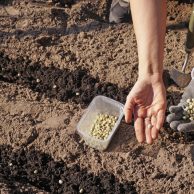 March is bringing us a characteristic tilt of the see-saw that this month always brings. Tank tops can go back in the drawer for a little while, as this week we will see night-time temperatures dipping into the mid-20s. We are expecting rain (~1.6 inches in Boulder, ~3 inches in Denver!), and heavy, wet snow, too. We’ve been here before; no need to panic. And we need the moisture!
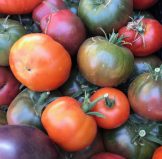 HARLEQUIN’S GARDENS 2025 TOMATO STARTS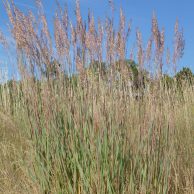
 Dear Friends and Fellow Gardeners,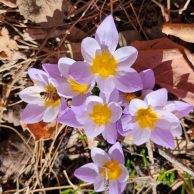
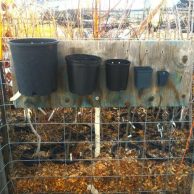 At Harlequin’s Gardens, we’ve been reusing and recycling black plastic nursery pots since day one. It is very important to us that we minimize our plastic waste. We have always encouraged our customers to bring back to us the nursery pots that came with the plants you purchased from us, and you have responded with enthusiasm, which we appreciate!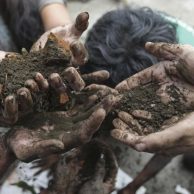
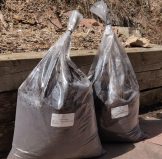
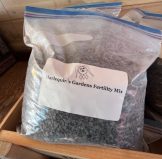
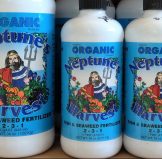 Neptune’s Harvest Organic Fertilizers
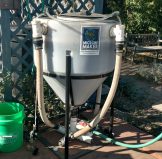 Compost Tea
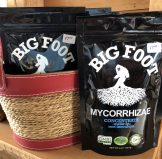 Big Foot Mycorrhizae
 Fort Vee
 Expanded Shale
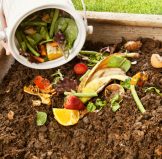 So even though there is nothing you can do at the moment, very soon, before it’s warm enough to plant, you can start making your bed sexy. Sexy soil sprouts seeds, grows roots and leaves, builds strength, makes flowers and fruit, and defends against pests.
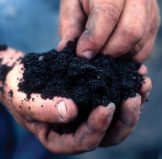 Let the biology do a lot of the work. It’s not hard to add more later; it’s very hard to correct too much. Keep the soil covered with mulch or living plants. Even native plants appreciate some compost to hold moisture and provide a light feeding when they are young. One more thing: avoid poisonous pesticides, fungicides and herbicides, like the plague. They kill or undermine the health of your allies—the soil life. Toxic pesticides are the opposite of sexy; they are like inviting the Grim Reaper into the bedroom. There are effective, non-toxic alternatives.
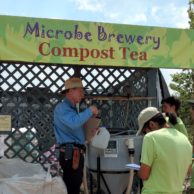 What about no-till? Not turning the soil makes sense once you’ve got the soil life in a good environment. Then you don’t want to disturb the symbiotic networks. Then you can feed from the surface; good tilth and worms will take the food down.
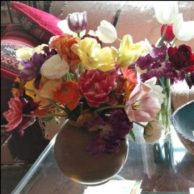 In our culture today, Valentine’s Day immediately brings to mind Romantic Love, Flowers, Gift-giving and Chocolate. And though this very old Saint’s Day has now been commercialized to the Nth degree, it’s still one of the happier occasions we celebrate, so why not enjoy it in our own way? Romance, Love, flowers, gifts and chocolate are all very positive and uplifting. And we have some recommendations for all of those categories except Romance (you’re on your own there!).

 Well, that was a false alarm!
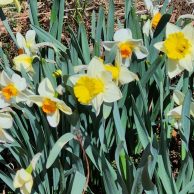
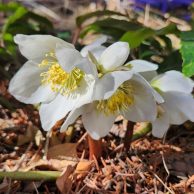
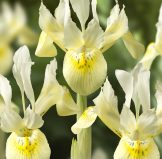 We go the extra mile to bring you special bulbs that other nurseries just don’t offer. Many of them are delightful smaller beauties at home in the front of the border, under deciduous trees and shrubs, and in the rockery. They are selling quickly, so be sure to come in to be sure of the best selection. Here is a list, and descriptions, of the fall and spring-blooming treasures for your home garden!

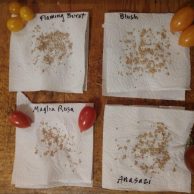 SAVING YOUR TOMATO SEEDS
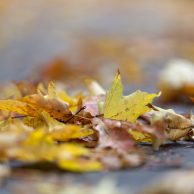
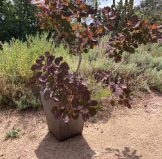
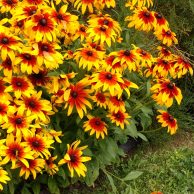 Fall is among the best times to plant perennials. While we may begin to wilt from late summer heat, many plants rise to the occasion and burst into bloom! As days begin to grow shorter, perennials spend the next few months developing root systems or taproots that delve well below the hot, dry surface soil. Pollinators depend on finding pollen and nectar sources through the entire summer, so it’s important to include late-summer and autumn bloomers in your garden.
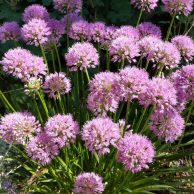
 from Mitten Lowe at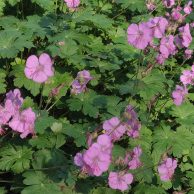
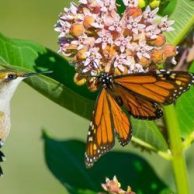
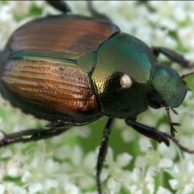 Japanese Beetle is one of the most damaging insect pests in the Eastern and Midwestern US, but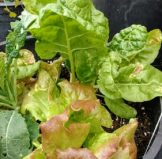
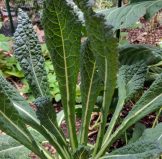
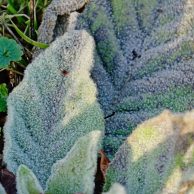
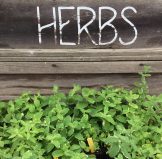 HERBS, Culinary & Medicinal – Many varieties of THYME, LAVENDER, BASIL, MINT, ROSEMARY, SAGE, OREGANO, CHIVES, plus Parsley, French Tarragon, Cilantro, Dill, Fennel, Lemon Balm, Lemon Thyme, Lime Balm, Marjoram,, Lemon Grass, Vietnamese Coriander, Pineapple Sage, Lemon Verbena, Borage, Savory, Lovage, Cutting Celery, Catnip, Calendula, Aloe, Greek Mountain Tea, Comfrey, Echinacea , Feverfew, Lobelia, Valerian, Motherwort, Mullein, Sweet Leaf, Lomatium, Hyssop, Anise Hyssop, Plantain, Clary Sage, Skullcap, Arnica, Sheep Sorrel, Self-Heal, Rue, Mugwort, Wormwood, and more.
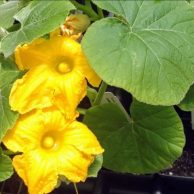 What’s a cucurbit? It’s any plant that’s in the Cucurbitaceae plant family. You eat them frequently and very likely grow them. This is the plant family that includes zucchini, summer and winter squash, pumpkin, cucumber, watermelon, cantaloupe and other sweet melons, and gourd.