
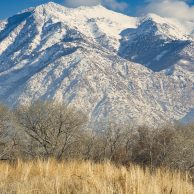
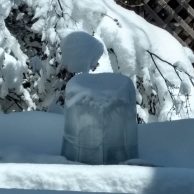
 Historically February is one of Colorado’s snowiest months, and finally we’re beginning to see evidence of that this year! Additionally, the forecast indicates more to come. It remains to be seen how some of our marginally hardy garden plants have suffered from the below zero temperatures.
Many of us may have the tops of ornamental grasses and various perennials peeking out of the blanket of the snow, which provides habitat for overwintering beneficial insects and it helps to keep the plant roots and crowns warmer. But very soon it will be time to cut back Cool-Season ornamental grasses before their active growth begins, which will allow light to penetrate the entire clump. See Eve’s instructions, below. [Read More]

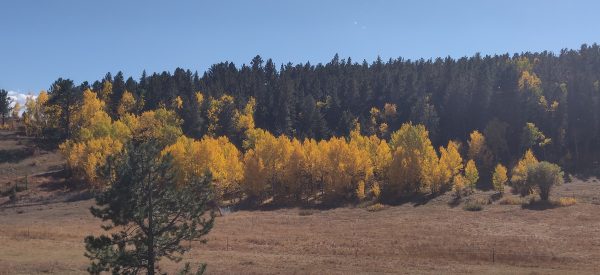
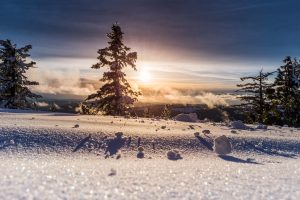 This year the Winter Solstice will fall on Tuesday, December 21st. This astronomical event is the time of the year when the Earth’s north pole is tilted farthest from the sun, so that night is the longest and daylight is the shortest (in the northern hemisphere). This day has long been celebrated because it signals the lengthening of the days until Summer Solstice on June 21. Even though there is a lot of winter left, there will be more day light. It is the promise of Spring to come.
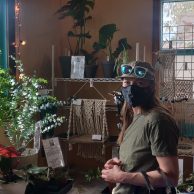
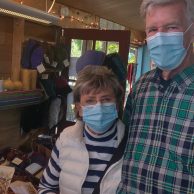 We are appreciative of the community support at our Holiday Market opening weekend! With the perfect autumnal weather, more people than ever were able to enjoy our local musicians, Sandra Wong & Jon Sousa’s world music, and Margot Krimmel’s traditional and original harp pieces.
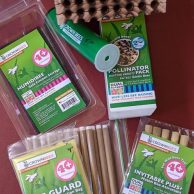
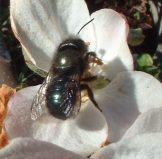 Mason Bee populations plummeted throughout Boulder County due to harsh spring weather, so it’s especially important to coddle them this winter! Mason bees normally nest in holes in tree trunks, which offer stable temperature, moisture, and protection from predators. To provide extra assistance, bring your Mason and other native bee tubes/cocoons into a sheltered place with ambient (outdoor) temperatures, but with less fluctuation, like a garage or refrigerator. Cocooned bees are now adult and safe to handle in their cocoons. If you used liners or reeds, take them out of the guard tubes and shelters and store them in the fridge. Ideally, unwrap the liners/reeds and just overwinter the mason bee cocoons. Place them in a Humidi-bee chamber (in stock), and keep the lower pad moist.
 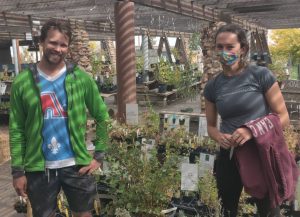 Our 2022 Fall Members-Only Sale has finished, and now our Big Fall Sale has begun, with 20% off for everyone! Plants included in this week’s sale are:
 I turned 75 this year so I get to give some perspective on the state of the world. Here is some of the good news that is not being reported these days. I should begin by acknowledging that, oh, yes, there are lots of things that are getting worse, but many things are getting better, too.
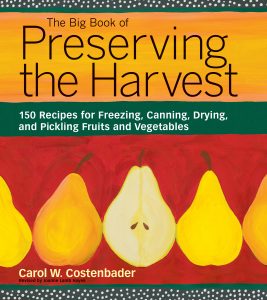 Time to store this year’s bounty! The Big Book of Preserving the Harvest is a dependable classic source of instructions and recipes for drying, pickling, canning, and freezing the fruits of your labors. And after the garden has been put to bed for the winter, there will be time for reading! The most useful, practical, and enlightening books on gardening, nature and natural healing are on our shelves now, with more of the following titles arriving any day now! Don’t forget that one of the benefits of being a
 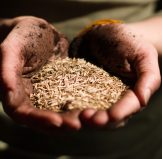 “The less biodiverse any system is, the greater the potential for its collapse.” Janisse Ray, from The Seed Underground: A Growing Revolution to Save Food.
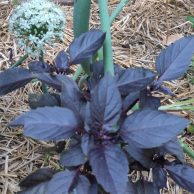 Basil is one of the great culinary pleasures of summer, and it’s definitely NOT TOO LATE to plant Basil and enjoy a good crop! Basil plants are beautiful, grow equally well in the ground or in pots, thrive in hot weather, provide a continuous, bounteous crop, and Basil’s many different flavors are essential to a variety of distinctive cuisines. It can be used fresh, dried, or frozen in oil or as pesto. Though basil leaves lose most of the aromatic oils when dried, we have still found that basil dried from your garden is so much more flavorful than commercial dried basil.
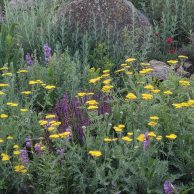 We’re excited that the City of Boulder is gathering feedback from the community about how we use our yards, preferences for landscaping and interest in a citywide effort to create pollinator habitat patches and pathways. Pollinator pathways connect safe, pesticide-free native plant patches of habitat for bees, birds, butterflies, and other wildlife to provide food and nesting sites. Native pollinators are vital to our ecosystems and pathways support pollinator populations, as well as safe passage for movement across the city.
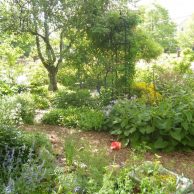 ‘Tis the season of mailboxes stuffed with seed and nursery catalogs, and we know all too well the temptations therein! Our gardens may be dormant, but our plant lust is not, and haven’t we all been sucked in by glossy photos of sexy new must-have plants, even though we haven’t a clue where we’ll put them? We recommend that you try to resist, at least long enough to evaluate your existing garden.
 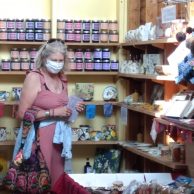 The Front Range is a hotbed of innovation and passion for quality food with real flavor and real nutritional value. Whether it’s the micro-brews, coffee, chocolate, heirloom vegetables, pasture-raised meats, or ancient grains, or the gluten-free, paleo, keto, or vegan diet, Front Range Coloradans have shown great support and enthusiasm for slow, locally-grown, organic, fair-trade and creative, locally hand-crafted foods.
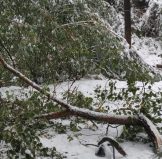 October 2020 went from record high temperatures in the 80s to record lows, 19 degrees by October 25. May 2021 also made some shocking temperature changes. These rapid and dramatic changes can cause woody plants to die back, lose branches or die completely.
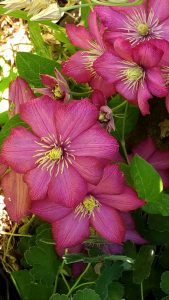
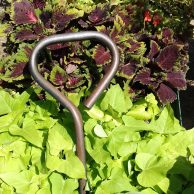 Our best selection of plants for the 2021 season is here now! Our selection of plants for shade and part shade has never been better, including Hosta (many kinds!), Ferns (5 kinds!), Bergenia, Hellebore, Foxglove, Geranium (many), Coral Bells (many), Monkshood, Persicaria, Pulmonaria, Golden Wood Poppy and Clematis (lots!), and some new selections, like Solomon’s Seal (2 kinds)!
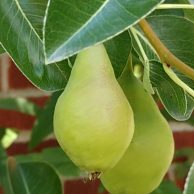 First, let’s count our blessings: the cool and wet spring has been great for plant growth (and of course, weeds galore!). The profusion of wildflowers this spring has been glorious, the foothills are still green going into July, and conditions for gardening are now quite pleasant. And we will have fruit on most of our fruit trees! Don’t forget to thin them to keep branches and trunks from breaking.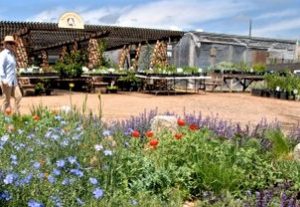
 We know Mother Nature teases Coloradans with delightful warm weather days in between snow and cold spells, and while they give us hope for the warm spring days ahead, this is a pattern that will continue through March, and into April.
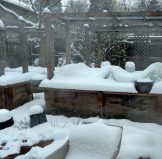 We were just getting comfy and confident in the progressing spring weather, when Mother Nature reminds us that She is in control!
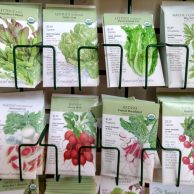
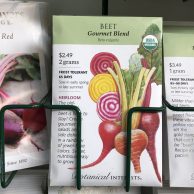
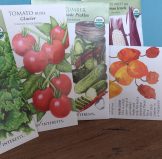 This year we continue to offer a wonderful selection of seeds from our local BOTANICAL INTERESTS for tried-and-true vegetables, herbs, flowers, and sprouts, microgreens and cover crops, and local BEAUTY BEYOND BELIEF (BBB) seeds for individual and mixed wildflowers. And from SEED SAVERS EXCHANGE, preserving and sharing heirloom varieties, we offer some of our favorite time-tested veggies and flowers.
 We hope you will celebrate Earth Day, maybe all week. It is good to acknowledge that we have a planet and that it has been supportive of life and human life for a long time. Unfortunately, we humans have not treated Her well, Gaia, our Mother Earth. We were told the story that we humans are the masters of the earth and that all the creatures and resources are here for our use and glory. Not everybody believed that story. Chief Joseph told our ancestors: “The Earth does not belong to us; we belong to the Earth.”
 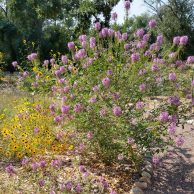 In mid-August, Mikl and Eve had the pleasure of visiting the beautiful, newly created and planted
 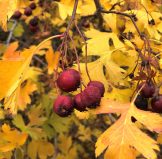 Very tough and xeric, grows 15’ high and wide, white flowers and red berries, loves Colorado conditions!
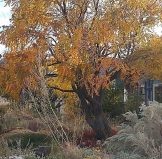 25′ xeric tree with golden flowers in July, orange lantern-like pods, orange fall color, seeds abundantly.
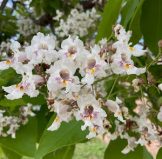 WESTERN CATALPA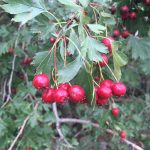
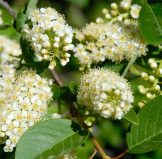
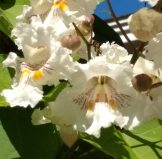 Catalpa
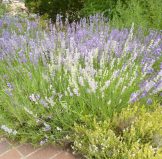 Many Lavenders
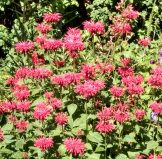 Native Bee-Balm
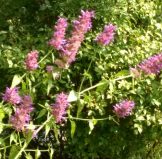 Many Agastaches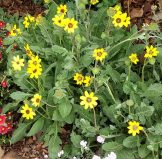
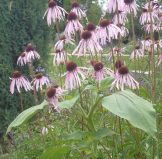
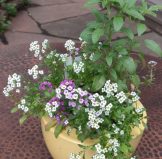
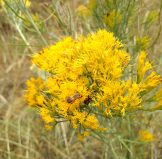 This includes Amorpha, Manzanitas, Mt. Mahoganies, Big Sage, Fringed Sage, Sand Sage, Lilacs, Butterfly Bushes, Pea Shrubs, Gambel Oak, Viburnums, Spireas, Potentillas, Sand Cherry, Rabbitbrush, Fernbush, Mountain Ninebark, Cliff Rose, Lewis Mockorange, Mikl’s Pick Mockorange, Boulder Raspberry, Boxwoods, Cotoneasters, Honeysuckles, New Mexican Privet, Flowering Quince, Ephedra, Euonymus, Sumacs, Currants, Yuccas, and many more!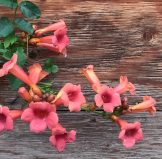
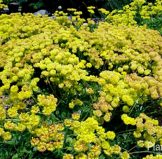
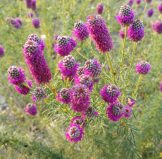
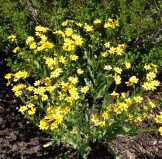
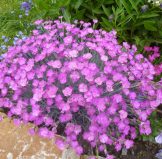
 One of our specialties is
  Our
Our 
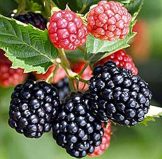 BLACKBERRY – Triple Crown Thornless Blackberry, Prime Ark Freedom – Late blooming so avoids late frosts, medium to large sweet berries, semi-trailing, best pruned to 8’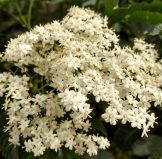
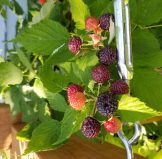 Invicta Gooseberry – Very large greenish white sweet fruit, very productive, vigorous
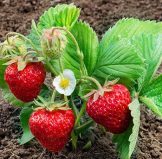 Ogallala – Old-time favorite cross between wild Rocky Mt. strawberry and garden varieties. Okay with less-than-ideal soil, everbearing, productive
 PLUMS
PLUMS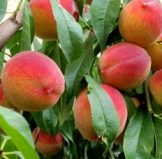 PEACHES
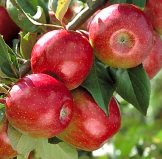 APPLES
 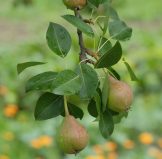 PEARS
PEARS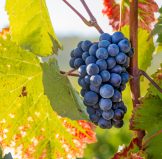
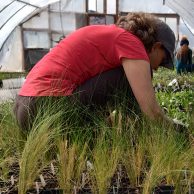 We’ve been in high-gear this season, propagating more plants and stocking more soil products than ever so we wouldn’t be vulnerable to supply-chain disruptions caused by the pandemic and extreme weather events. So now we have a wonderful selection, and most of them are on sale!
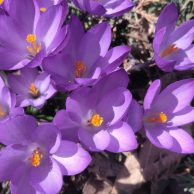 Do you have plants that you like, but that need to be moved to a different location in your garden? Or has your clump of Shasta Daisy, Daylily, Hardy Geranium, etc. become too wide and now needs to be divided? By dividing your mature perennials, you get free plants to expand your garden, to give to neighbors, or pot up and donate to a fund-raising event like KGNU FM Community Radio’s Spring Plant Sale! The next couple of weeks bring the very best opportunity to accomplish these moves without stressing your plants too much. Search the web for instructions from a trusted source for dividing the specific plant you’re working with.
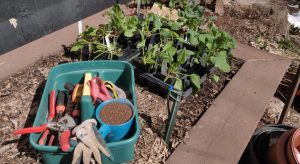
 Unexpected cold snaps can still occur even after the last average frost date (around May 9). Just as we need to add another layer of clothing during cold snaps, our warm-season veggie starts also need additional insulation as the spring season and soil slowly begin to warm up. This layering can come in several forms, each with their own advantages and applications: low-tech
  THANK YOU TO ALL OUR MEMBERS!!!
 Little