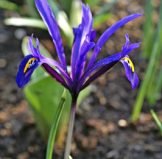
 An irresistible little iris that grows no more than 5-6″ tall. Its dazzling, royal blue petals have showy white and yellow markings and the flowers are sweetly fragrant! Perfect for rock gardens or along a walkway where the soil is well-drained and relatively dry. Blooms in late winter along with the crocuses.
5-6” tall clumps can grow to 12” across. Deer-resistant. Plant 4” deep and 4-5” apart. Hardy to Zone 4.
 Native to rocky hillsides from SW and Central Asia (Syria to Afghanistan), this lovely wildflower in the Amaryllis family bears umbels of starry violet-blue flowers with darker midveins above grass-like foliage for 3 to 4 weeks in late May and early June.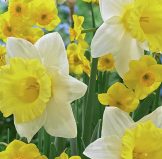
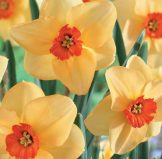 While ‘Altruist’ Narcissus has the classic daffodil look, the colors are anything but ordinary! This striking award-winner has a 3″ coppery golden-orange perianth that pales as it matures, the perfect background for the shallow, bowl-shaped crimson-orange cup. Altruist is long-lived and floriferous, and its unusual and gorgeous coloring make it a stand-out in the garden and as a cut flower. Pest-proof!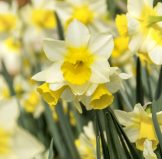
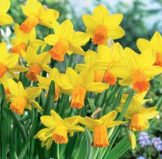 An old favorite for naturalizing, and another Cyclamineus daffodil. Bright and cheerful in the garden, with reflexed vivid yellow petals and orange-red trumpet. ‘Jetfire’ is early blooming, and increases rapidly to form showy colonies. Very long-blooming, tough and adaptable. Also good for forcing indoors.
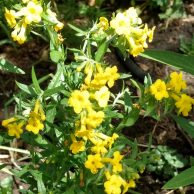 On our hikes, it seems we’re often exclaiming, “What a beautiful plant combination!”. Mother Nature’s inherent beauty and functional placement provide an amazing guide and inspiration for what we can create in our home garden or ecosystem. Mother Nature also helps guide us on how we can best support our pollinators.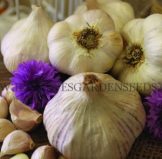
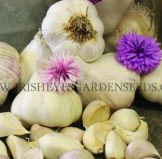
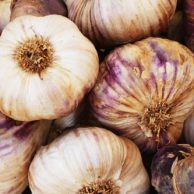 It’s time to buy your ‘seed’ garlic, which you should store in a cool, dry, well-ventilated place until planting time, from mid-October to mid-November. Seed garlic bulbs are specifically chosen for planting because they are the healthiest bulbs with the largest cloves, and they are intact. By planting the largest cloves, you’ll be rewarded with a harvest of big, juicy bulbs.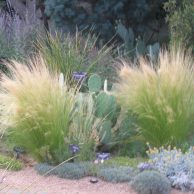
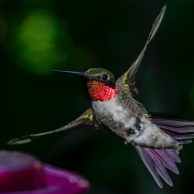 Hummingbirds are zipping and humming and sipping around our gardens, partaking of the summer’s bounty of nectar-rich flowers, many of which are ‘color-coded’ specifically to attract them. And you’ll want hummers in your garden, not only because they’re beautiful, not only because some plants depend on them for pollination, not only because migratory birds are imperiled, but also because they eat prodigious numbers of small flying insects like mosquitoes! And did you know, some hummingbird have been known to live up to 25 years!
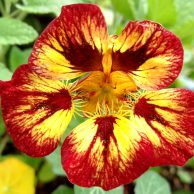 Incorporating edible flowers in your cuisine not only adds visual appeal, but also can offer high nutritional value and great flavors. Edible flowers have been used for millennia in many cultures to enhance everything from salad to beer and wine. A quick internet query on “ancient edible flower recipes” revealed many results. It could be a fun family event to recreate a heritage recipe!