
GARDEN VEGGIES & HERBS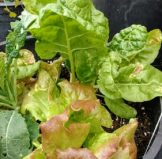
We’re bringing you a fantastic selection this year!
ARTICHOKE: Imperial Star
ARUGULA: Wild, Astro (spring), Ice Bred (fall)
ASIAN GREENS: Tatsoi, Pak Choi, Mustards, Mizuna, Senposai, Shiso and more!
BROCCOLI: Fiesta, Nutribud, Aspabroc, Sorrento Broccoli Raab, Piracicaba
CAULIFLOWER: De Purple, Snow Crown
BRUSSEL SPROUTS: Speedia
CABBAGE: Red Acre, Red Express, All Seasons
CELERY: Ventura
CELERIAC: Brilliant
CUCUMBERS: Lemon, Marketmore 76, Armenian, Nat’l Pickling, Silver Slicer, Spacemaster 80, Shintokiwa, and more!
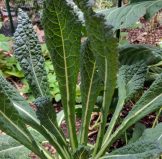
Lacinato Kale
KALE: True Siberian, Red Russian, Dinosaur/Lacinato, Dazzling Blue, White Russian, Baltisk Red, Dwarf Blue Curled, & more!
LETTUCE: Several varieties of each type – Leaf, Butterhead, Romaine, Oakleaf, Batavian, Dwarf, Mixed, Mesclun
RHUBARB: Glaskins Perpetual, Victoria, Canada Red
SPINACH: Caucasian Climbing Perennial (Hablitzia tamnoides), Bloomsdale, Giant Nobel, Lavewa, & more!
SWISS CHARD: Bright Lights, Seafoam, Fordhook Giant, Perpetual Spinach, Ruby Red Rhubarb, Rainbow
MELON: Minnesota Midget, Tuscany, Noir des Carmes
PUMPKIN: Casper, Cherokee Bush, Cinderella, Jarrahdale, Winter Luxury
SUMMER SQUASH: Black Beauty, Costata Romanesca, Dirani, Cocozelle, Jackpot, White Bush Lebanese, Tromboncino, Jaune et Verte Scallop, Yellow Summer
WATERMELON: Early Moonbeam, Golden Midget, Sweet Dakota Rose, Sugar Baby
WINTER SQUASH: Kabocha, Stella Blue, Spaghetti, Uncle David’s Buttercup, Tuffy Acorn, Table Queen Acorn, Honeyboat Delicata, Sweet Dumpling, Butter Baby Butternut and more!
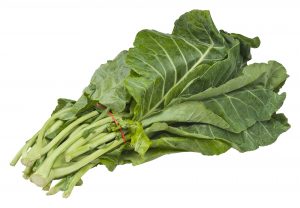
PLUS: Amaranth, Bulbing Fennel, Collards, Endive, Escarole, Ground Cherry, Kohlrabi, Okra, Tomatillo, Radicchio, Watercress & more!
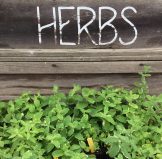 And LOTS of HERBS, both Culinary, Medicinal – Many varieties of THYME, LAVENDER, BASIL, MINT, ROSEMARY, SAGE, OREGANO, CHIVES, plus Parsley, French Tarragon, Cilantro, Dill, Fennel, Lemon Balm, Lemon Thyme, Lime Balm, Marjoram,, Lemon Grass, Vietnamese Coriander, Pineapple Sage, Lemon Verbena, Borage, Savory, Lovage, Cutting Celery, Catnip, Calendula, Aloe, Greek Mountain Tea, Comfrey, Echinacea , Feverfew, Lobelia, Valerian, Motherwort, Mullein, Sweet Leaf, Lomatium, Hyssop, Anise Hyssop, Plantain, Clary Sage, Skullcap, Arnica, Sheep Sorrel, Self-Heal, Rue, Mugwort, Wormwood, and more.
Go to www.HarlequinsGardens.com/Plants/edibles/Vegetables for excellent descriptions of the hundreds of varieties we offer!
We think we are so smart, in a clever way, but these plants have been breeding microbes for centuries which has resulted in wise evolutionary traits that they have developed.
Walter Goldstein, Mandaamin Institute


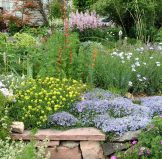 Harlequin’s Huge Selection of pollinator-supporting Native Perennials-including: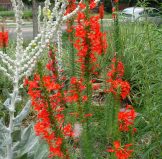
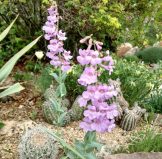
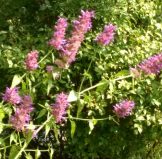 Many Agastaches –Blue Fortune, A. rupestris, A. foeniculum, Coronado and ‘Ava’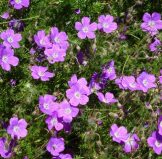
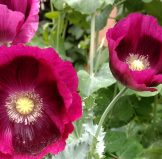
 Still looking for the Perfect Gifts for Gardeners?
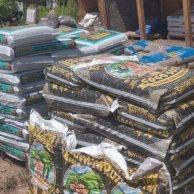 SOIL BIOLOGY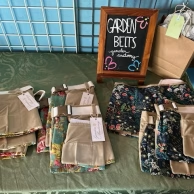
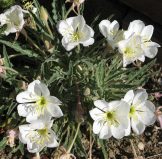
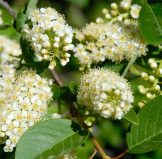
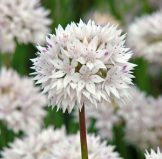 Circa 1857, this delicate-looking yet easy-growing North American native has composite 3″ globes of star-shaped, sparkling white flowers with pale lavender stamens tipped with purple anthers and sturdy stems.
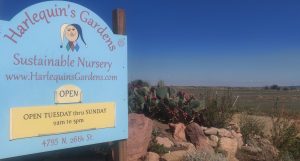 We are coming to the end of Harlequin’s 30th year in business and in service to the community. We are so grateful that you have supported us all these years. You have found us in our hidden location, told your friends about us, planted our native flora, xeriscape and pollinator-supporting selections and organic veggie starts, and supported your soil life with our help. This partnership over 30 years has made a difference in our local ecology and in people’s individual lives. Our dedication to organic gardening has been multiplied by thousands of you.
  In tandem with the close of October, our 2022 Fall Sale will end this Sunday at 5pm. Before then, be sure to take advantage of our Fall Sale Discounts, which can help you achieve your end-of-season gardening goals with plants and soil products that are 30% off! (Sale exceptions listed below.)
 This is such a nice time of the year to putter in the garden! It’s also a good opportunity to look ahead and amend your planting beds and lawn for Spring 2023. Our Fall Sale Discounts can help you achieve your end-of-season gardening goals with plants and soil products that are 30% off! (Sale exceptions listed below.)
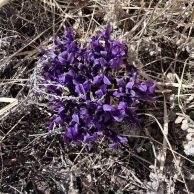 Spring is here and the time is right for dancing in the garden – to stay warm!
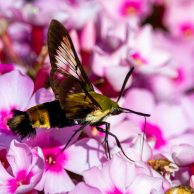 We’re celebrating all month, and we’d love to encourage you to support pollinators in your gardens.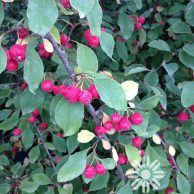
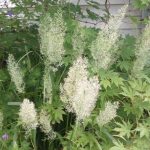
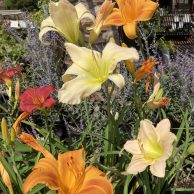 Daylilies are old favorites for good reasons. They are:
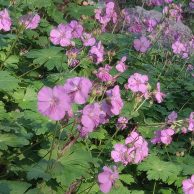 Hardy Geraniums are some of the most versatile an adaptable perennials for our area! Available in many colors and habits, they can be useful in sun and shade, moist and dry, as individual specimens, companion plants and ground covers.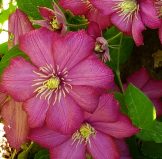
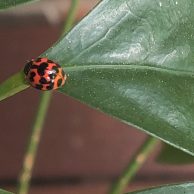 The Good News is that out of about 900,000 insect species currently living on our planet, only 1% to 3% are pests. We do not need systemic neonicotinoids (neonics) or any toxic pesticides to grow plants well. The solution is to employ human attention, biodiversity, nutrient-dense soils, application of nontoxic management, and tolerance.
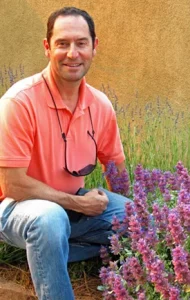 With great sadness, we share the news that the pioneering plantsman David Salman passed away on the fifth of June. David was a dedicated, passionate, and articulate educator and proponent of sustainable gardening, a plant explorer with a gift for selecting and introducing exceptional plants for western landscapes, and the founder of Santa Fe Greenhouses, High Country Gardens, and Waterwise Gardening.
 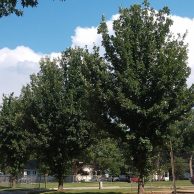 Bur Oak (Quercus macrocarpa) is a majestic, slow-growing tree reaching 60 to 70’ in height and spread, and is typically very long-lived (think 200, 300+ years!). It’s the sort of tree you plant for the benefit of the generations to come. Many oak species don’t thrive in Colorado’s alkaline soils, but Bur Oak is a happy exception. It is also drought-tolerant once established, even in dry clay, and can handle city conditions quite well. Bur Oak’s strong wood and strong, almost right-angled branch connections resist breakage in wind and snow.
 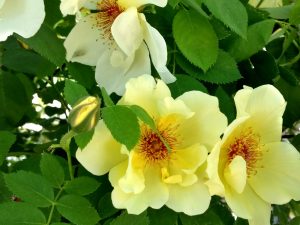 We are known far and wide for our selection of
 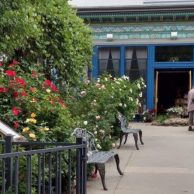 We would like to invite you to visit the Boulder-Dushanbe Teahouse Rose Garden in downtown Boulder across from the city park. The unique treasure of an intricately handcrafted, traditional Tajik Teahouse was gifted to the city of Boulder by the citizens of Dushanbe, Tajikistan, one of Boulder’s Sister Cities, in 1988. In time, the design of the structure was amended to be able to house a restaurant business, construction was completed, and the Teahouse opened in spring of 1998. Both the inside and outside of this fabulous building are elaborately adorned with colorful carved, painted and sculpted elements, mostly traditional, plus some contemporary artistry.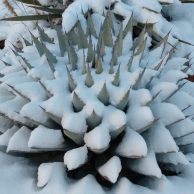
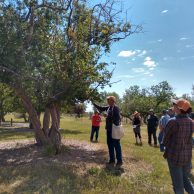 In late June Eve and Mikl attended two inspiring events that are related in that both organizations / institutions are concerned with researching, trialing, and introducing plants that are resilient in the face of the challenges presented by Climate Change, especially increasing heat and long-term drought.
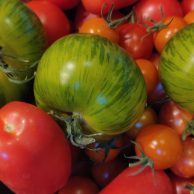 A FEW of our FEATURED TOMATOES
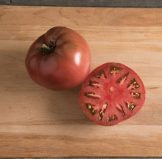 This taste-test winning, hard-to-find heirloom is one of the darkest ‘black’ tomatoes, with delicious, rich, smoky-sweet, complex flavor; pretty 8-14oz. purple-brown fruits are resistant to radial cracking. Big, 5-7’ productive, regular-leaf plants are healthy and tolerate heat and dry conditions.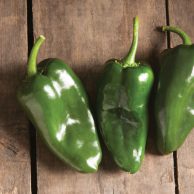
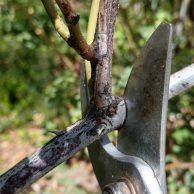 We recently passed Boulder Valley’s “average last frost” date (May 9).With all this rain, it sure feels like Spring! Lots of gardeners are asking if it’s safe to prune now, especially roses and shrubs. The answer is YES! But…..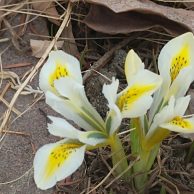
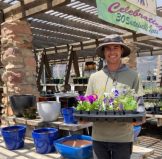 This week, we invite you to visit us and choose some new plants to nurture and mother. And honor the Mothers in your life with the plants, garden items, books, classes or healthy products they’d love. We have a beautiful line of glazed pots for patios, entryways and balconies. Our organic pepper, tomato, and herb starts are pouring in, as are many new perennials and shrubs, roses, vines, grasses, and annuals, all neonic-free. We also have plenty of fruit trees and berry bushes, and seeds for delicious summer crops like beans, basil, cucumber, zucchini, pumpkin, and melon, and glorious pollinator-supporting flowers like Lace Flower, Poppy, Zinnia, Sunflower, Nasturtium, Gloriosa Daisy, Cosmos, Morning Glory, and many, many more!
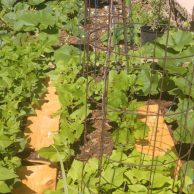 Okay, you prepared your soil and planted your vegetable garden with all kinds of wonderfully flavorful, nutritious foods, you’re watering and watching them grow, and wondering ….. When can I start to eat them, how do I harvest them, and how do I get the most out of these plantings? Here are some tips on vegetable crops harvest timing and techniques that may not be self-evident. Even if you’re a seasoned gardener, you may not be aware of some of these procedures!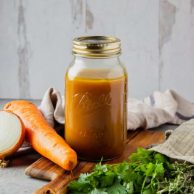
 Give yourself a break by putting away your lawn mower for the month of May with the additional benefit of feeding our early bees!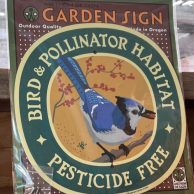

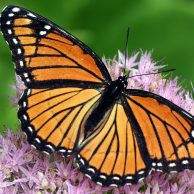 Monarch butterflies previously considered Threatened, have now been classified as Endangered by the International Union for Conservation of Nature, the world’s most comprehensive scientific authority on the status of species. Two major driving factors are habitat loss (and thus, food loss), and climate change.
 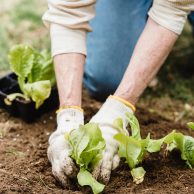 We are here for you! You’re in the high desert/steppe now, with short growing seasons, sudden temperature changes, unpredictable precipitation, low humidity, drying winds, alkaline soils that are low in organic matter and nitrogen, hot summers and cold winters. Despite these challenges, gardens can thrive here, and be productive, rewarding and beautiful!
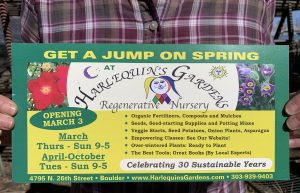 Opening Day will be here in just a few minutes (or it seems to our busy-bee staff!) and our doors will re-open this Thursday, March 3rd at 9 AM. We hope to see you then! Our hours for the month of March are Thursday through Sunday, 9 AM to 5 PM. Then beginning Tuesday, April 1st, our hours expand to six days a week, Tuesday through Sunday.
 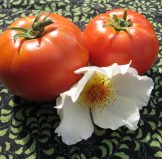 The bad news is that last week’s small delivery of tomato starts froze when the wind blew open the back door of our greenhouse in the middle of the night.
 This morning’s broadcast of