Achillea lanulosa (Achillea millefolium var. lanulosa) (Yarrow)
Agave havardii (Havard’s Century Plant)
Agave parryi neomexicana (New Mexico Century Plant)
Amelanchier alnifolia (Serviceberry)
Amorpha canescens (Leadplant)
Amorpha fruticosa (False Indigo)[Read More]
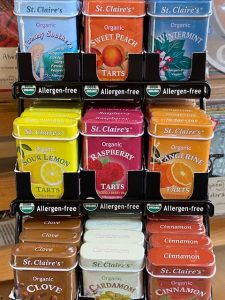 Yea – totally organic! Made by herbalist Debra St. Claire! No corn syrup! Delicious! Effective! Packaged in pretty, reusable tins (some staff use these for seed saving)! Incredibly inexpensive! Lots of flavors! Great stocking stuffers!


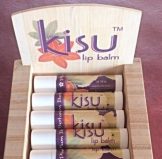 Created by Pamela Clum’s Plum Botanicals, a small fair-trade organic skin-care line based here in Boulder. This long-lasting lip balm is based on wild-collected African shea butter from a women’s cooperative, and lightly scented with the marvelous, unique, citrus-y essential oil of neroli.
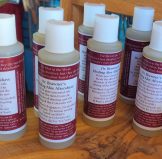 Formulated and made in Boulder by ‘the doctor’ himself (our founder, Mikl Brawner), from 99% pure Aloe Vera Gel, with cold-pressed, organic Rosehip Seed Oil; 100% pure Jojoba Oil, and 32,000 IU Vitamin E Oil, along with essential oils of Lavender, Vetiver, and Rose. That’s all. No alcohol, nothing synthetic, non-greasy. All the ingredients are natural plant products, chosen for their skin-healing qualities. The steam-distilled Rose Oil is a powerful anti-viral and antiseptic. The other ingredients are good for healing burns and dry and damaged skin, inflammation, wrinkles. They are moisturizing and uplifting to the spirits.
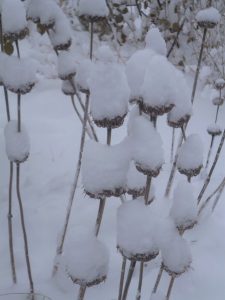
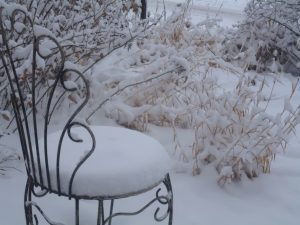
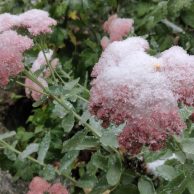 As Colorado gardeners, we’ve come to expect snow in October (last year it was October 10), but September?! In the past 24 hours, we saw a temperature swing of more than 60 degrees, going from record-breaking heat to one of the earliest recorded snow falls in the state (the earliest recorded area snowfall was in 1961 when Denver received over 4″ of snow on Labor Day).
 It’s the time of year to ready our gardens for the upcoming fallow winter season and prepare for next year’s growth. We do this knowing that regeneration will be occurring in our soil, with the microbes and with overwintering insects. Here are tips for you to best help this process take place, while still having an aesthetically pleasing garden.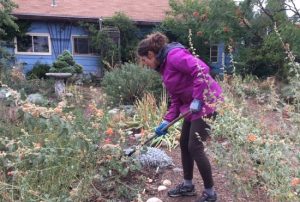
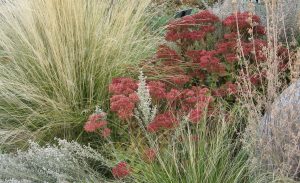
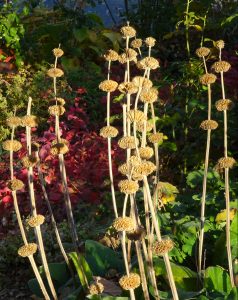
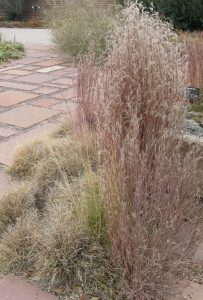 Unless you have an ‘ornamental’ grass that self-sows aggressively, leave grasses and their seedheads standing. If they are ‘cool-season’ grasses, you’ll want to leave them until about mid-February, then cut them to 3” above the ground so they can begin making unimpeded new growth as soon as the soil thaws. Dormant ‘warm-season’ grasses can remain attractive until warm weather comes and don’t need to be cut down until April.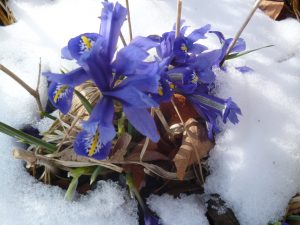
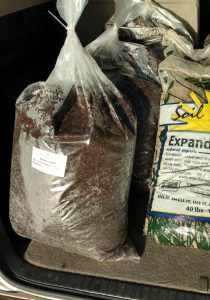 At Harlequin’s Gardens we will not be leaving our jobs on September 20. Instead we will be at work for Harlequin’s where we are always working to help you and the planet. AND we will be giving away one Free bag of compost with each purchase, on Friday, the 20th.
 Non-toxic Herbicides
 This year’s Taste of Tomato was a blast! We love the new location at Growing Gardens’ Barn, with its’ beautiful view of the Flatirons, easy access, and wonderful staff. The tasting featured 44 different varieties of tomatoes, with Aunt Ruby’s German Green winning the greatest number of votes. Participants brought in some wonderful new varieties this year, including Brad’s Atomic Grape, Thornburn’s Terracotta, and Indigo Cherry. Look for the most popular varieties from this year and previous years when you come to buy your organic tomato starts next spring at Harlequin’s Gardens. Every year we grow 80+ great varieties for all kinds of uses and growing conditions!
 NEW for 2019!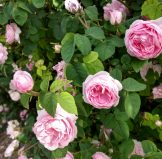



 We are having a real revolution in our relationship with our soils. The turning point is our change in focus from soil fertility to soil health. In the last 60 years of the “Green Revolution” (i.e. the petrochemical boom), soil was viewed as a physical structure and fertility was viewed as a measure of chemicals in the soil — primarily NPK, nitrogen, phosphorus and potassium. The petroleum industry could make these macronutrients from natural gas, which make plants grow but often in poor health. Weak plants attract insect pests and fungal diseases, so more petroleum in the forms of insecticides and fungicides added to the success of the oil industry. But this approach has led to “Peak Soil” where land is losing productivity, crops are losing nutritional value, the soil is eroding at extreme rates, and the health of animals and people has declined.