 We still have Lavender (Munstead, Buena Vista, Hidcote and Grosso), and if you want to plant them this season, get them this week on sale for 20% off! Any plants left after that will be potted up for next year. Because it is evergreen, newly planted lavender is more sensitive to hard frost than many other hardy perennials, so to give them a chance to establish before very cold weather arrives, plant them NOW. If you garden at an elevation higher than 6,000’, we recommend waiting to plant lavender next spring.
Rosemary ‘Madeline Hill’ is still in stock, and on sale! [Read More]
 A grove of Rocky Mountain Bee Plant, four to six feet tall, has grown up alongside my driveway, where I almost never water, and is now in its full glory. From dawn to dusk, the buzz of pollinators at work is intense; honeybees, bumblebees large, medium and small, plus sweat bees, hoverflies, little tiny bees and wasps, constantly trading places, collecting pollen and sipping nectar. Yesterday, as I made my way slowly and carefully past the grove to get to my car door, one of the abovementioned made a wrong turn and found herself between my capri pants and my thigh, and panicked. The sting was painful for a few minutes, no big deal, but may have been fatal for the unwitting trespasser.
 As a gardener and as a person with very limited heat tolerance, I am thrilled that the autumnal equinox is just a few weeks away! Late summer through November is my favorite and most successful time to plant nearly all types of perennials and woody plants. As heat, sun and evaporation are reduced, the new transplants can establish more quickly and with less stress. They don’t need as much water and shade, so in the fall I can plant in the most exposed, hot and challenging parts of my garden. And thank goodness, because I’ve got dozens of plants still in pots, waiting for gentler planting conditions. And at Harlequin’s, we have a steady stream of late ‘newcomers’ arriving on our tables – beautifully grown plants that are just now ready for sale – and on sale – so come take a look!
 It’s officially Summertime. We are struggling with an unprecedented June heat-wave and very low precipitation. But along with the heat, sun and lack of significant rainfall, there are some wonderful things happening that we can appreciate and be grateful for, like the bold, stand-out colors of summer blooms! Of the summer-blooming perennials we grow, both native and non-native, many are in bud or starting to bloom, are looking great and are ready now to bring out for sale. They ALL provide important sustenance for our pollinators, from tiny native bees, wasps and flies, to bumblebees, butterflies, and hummingbirds! And most are in 4” ‘deep pots’, easier to establish in the heat of the summer!
 We’re celebrating all month, and we’d love to encourage you to support pollinators in your gardens.
 It’s not ideal, but sometimes you have to plant in the middle of a heatwave. Fortunately, it can be done successfully, even here in the high, windy and dry zone. High temperatures, wind and strong sunlight cause water to evaporate from plant leaves faster than the roots can take up water.
 Right now, we have our biggest selection of highly desirable plants for the season. Some of them are unusual and available in limited quantities. This includes a number of very choice native perennials that are very hard to find and will sell out fast, like:
 So many very special experiences!
 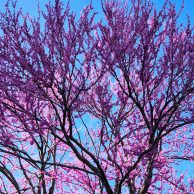 The fields and the foothills are turning green! So many trees are blooming or beginning to leaf out! There is so much energy bursting forth everywhere I look! After the lovely rain last weekend we emerged from our Sunday class to be greeted by the singing of frogs in a big puddle in the parking lot! How can they develop that fast???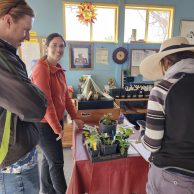
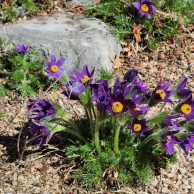
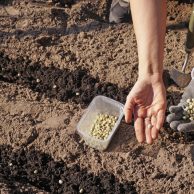 March is bringing us a characteristic tilt of the see-saw that this month always brings. Tank tops can go back in the drawer for a little while, as this week we will see night-time temperatures dipping into the mid-20s. We are expecting rain (~1.6 inches in Boulder, ~3 inches in Denver!), and heavy, wet snow, too. We’ve been here before; no need to panic. And we need the moisture!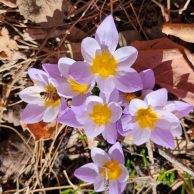
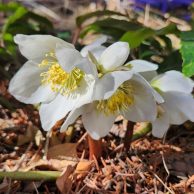

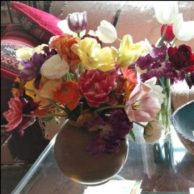 In our culture today, Valentine’s Day immediately brings to mind Romantic Love, Flowers, Gift-giving and Chocolate. And though this very old Saint’s Day has now been commercialized to the Nth degree, it’s still one of the happier occasions we celebrate, so why not enjoy it in our own way? Romance, Love, flowers, gifts and chocolate are all very positive and uplifting. And we have some recommendations for all of those categories except Romance (you’re on your own there!).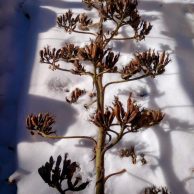

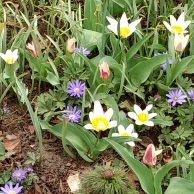
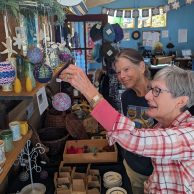 Well, that was a false alarm!

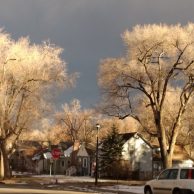
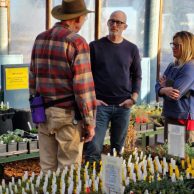
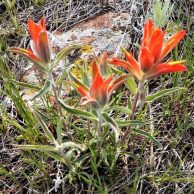
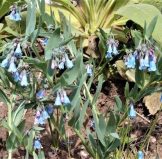
 Mother’s Day is Sunday! Harlequin’s has a plethora of goodies to bring joy to Moms! First and foremost, you may purchase a gift certificate HERE.
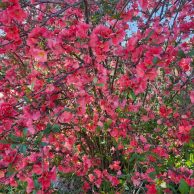
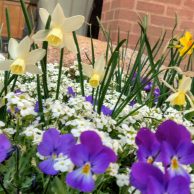
 Two quotations greet me every morning, posted on our bathroom mirror: “Tell me. What is it you plan to do with your one wild and precious life?” (poet Mary Oliver) and “I wake up each morning torn between a desire to save the world and a desire to savor the world. This makes it very hard to plan the day.” (author/editor E. B. White). The first inspires me to define my priorities, while the second, which perfectly describes my daily dilemma, allows me a little slack and sense of humor in the midst of my personal chaos and the chaos of life on Earth in this time. Perhaps you can take some inspiration and comfort from them, too.
 Spring is here and the time is right for dancing in the garden – to stay warm!
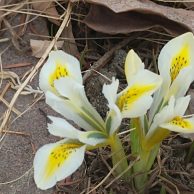
 With the Thanksgiving holiday approaching, we’d like to take this opportunity to express our gratitude for another great year, our 30th!, at Harlequin’s Gardens.
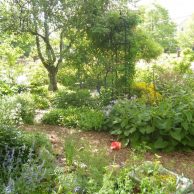 ‘Tis the season of mailboxes stuffed with seed and nursery catalogs, and we know all too well the temptations therein! Our gardens may be dormant, but our plant lust is not, and haven’t we all been sucked in by glossy photos of sexy new must-have plants, even though we haven’t a clue where we’ll put them? We recommend that you try to resist, at least long enough to evaluate your existing garden.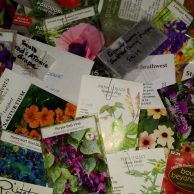
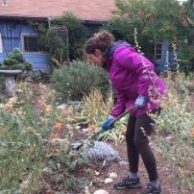 It’s the time of year to ready our gardens for the upcoming fallow winter season and prepare for next year’s growth. We do this knowing that regeneration will be occurring in our soil, with the microbes and with overwintering insects. Here are tips for you to best help this process take place, while still having an aesthetically pleasing garden.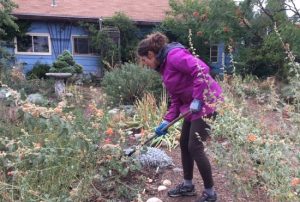
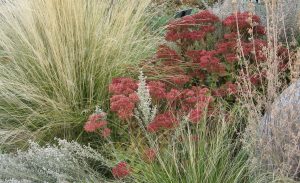
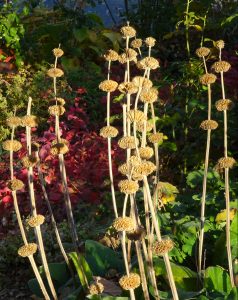
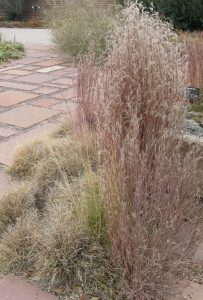 Unless you have an ‘ornamental’ grass that self-sows aggressively, leave grasses and their seedheads standing. If they are ‘cool-season’ grasses, you’ll want to leave them until about mid-February, then cut them to 3” above the ground so they can begin making unimpeded new growth as soon as the soil thaws. Dormant ‘warm-season’ grasses can remain attractive until warm weather comes and don’t need to be cut down until April.