

Lonicera x brownii ‘Dropmore Scarlet’
Vines are plants that grow stems so long that they either ‘crawl’ along the ground or use a method of climbing using twining, tendrils, leaf-stems that wrap, hold-fasts, aerial rootlets, or hooked thorns. Many a wall, fence or planting patch cries out for the fabulous color, texture, shading, ground-covering, screening, bird habitat and fragrance opportunities offered by vines.



 Do you have a tree or shrub that you’d like to restrain from getting much larger? For the next 3-4 weeks, pruning will be the most effect in reducing the size of woody plants. As we near the Summer Solstice, this year on June 21, we are approaching the midpoint in the growth cycle. This is the time when the days are longest and sunlight is strongest in the northern hemisphere. Woody plants start growing rapidly in early spring using energy that was stored in the roots and branches last fall. By mid-summer, the tree’s resources are being stored in the foliage to support photosynthesis.

 Spiders in Your Neighborhood: A Field Guide to Your Local Spider Friends
  The Rocky Mountain Native Plant Primer:
  This Weekend! New Perennials, Vines, and Annuals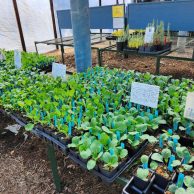




 There is nothing like a homegrown tomato! Here they come, Harlequin’s’ fabulous and enormous selection of tomato starts, and some of the first peppers, too! We cover all the bases, including varieties of many uses, sizes, colors, flavors, days to maturity, origins and special qualities, but they are time-proven and resilient in
 TREES & SHRUBS: To avoid breakage from heavy snow, periodically put on your boots, heavy coat, and a hat with a brim, and gently shake snow off trees and shrubs that are already in leaf.
 Tomatoes: We’ve always started bringing out our outstanding selection of tomato varieties in the second week of April, but a little glitch with our new grower has caused a slight delay…we expect them to arrive starting the week of April 21st. So please hang in there with us – our exceptional, locally adapted varieties are truly worth waiting for!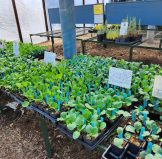
 Indigenous scientist and author Robin Wall Kimmerer tells us that the serviceberry’s relationship with the natural world is an embodiment of interconnectedness and gratitude. The tree distributes its wealth of berries to meet the needs of its natural community, and this ensures its own survival.
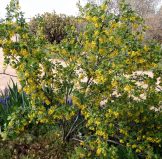
 Our healthy, overwintered and water-wise shrubs are waking up! Choose from hardy Manzanita, B
 Who doesn’t love houseplants? Here a few that make perfect gifts.
 Ficus ‘Ruby’ (Ruby Rubber Tree). This pink-tinged variety of the standard Rubber Tree adds an interesting splash of color to any space. They typically grow with multiple stems each with multi-colored leathery leaves, with the newest growth showing the most intense red/pink coloring. The Ruby Rubber Tree prefers bright indirect light with moderate moisture. Generally, they prefer a thorough watering when the top 2 inches of soil is dry.
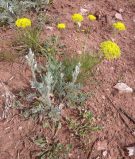



 Grocery prices are projected to rise even more this summer. You can save, by planting your own veggies for storage. These delicious, hardy varieties are some of the longest-storing, and can be enjoyed for most of the winter, and even into spring.
 The benefits of gardening on mental and physical well-being are renowned. But here across the Front Range gardening isn’t just laying around in the hammock! (although there is that, too.) For gardening to truly increase your quality of life, a bit of pre-season preparation pays off.
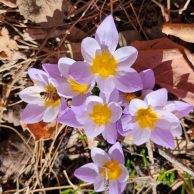
 Miss planting bulbs last fall? No worries, we’ve got you covered. Choose from miniature daffodils, chionodoxa, hyacinth, tulips and more.
 The fields and the foothills are turning green! So many trees are blooming or beginning to leaf out! There is so much energy bursting forth everywhere I look! After the lovely rain last weekend we emerged from our Sunday class to be greeted by the singing of frogs in a big puddle in the parking lot! How can they develop that fast???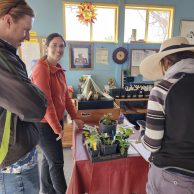
 There’s much to do in the garden in April, from finalizing your garden plan, attending to your tools, to the annual spring clean up and pruning and lawn and vegetable garden prep, and PLANTING, DIVIDING and TRANSPLANTING!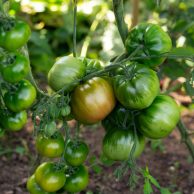




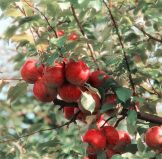 Lots of Fruit Trees: the best cherries, plums and apples for the Front Range!

 March is bringing us a characteristic tilt of the see-saw that this month always brings. Tank tops can go back in the drawer for a little while, as this week we will see night-time temperatures dipping into the mid-20s. We are expecting rain (~1.6 inches in Boulder, ~3 inches in Denver!), and heavy, wet snow, too. We’ve been here before; no need to panic. And we need the moisture!
 BLACKBERRY
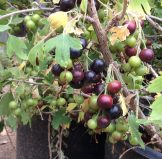 CURRANT
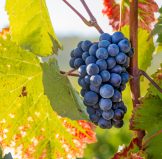 GRAPE
GRAPE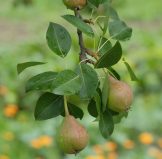 PEAR
PEAR RASPBERRY

 HARLEQUIN’S GARDENS 2025 TOMATO STARTS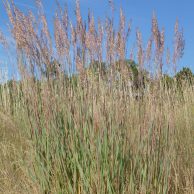

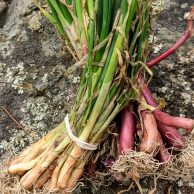

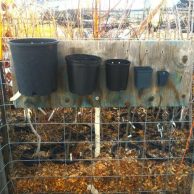 At Harlequin’s Gardens, we’ve been reusing and recycling black plastic nursery pots since day one. It is very important to us that we minimize our plastic waste. We have always encouraged our customers to bring back to us the nursery pots that came with the plants you purchased from us, and you have responded with enthusiasm, which we appreciate!



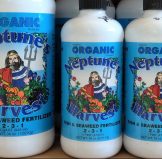 Neptune’s Harvest Organic Fertilizers
 Compost Tea
 Big Foot Mycorrhizae
 Fort Vee
 Expanded Shale
 So even though there is nothing you can do at the moment, very soon, before it’s warm enough to plant, you can start making your bed sexy. Sexy soil sprouts seeds, grows roots and leaves, builds strength, makes flowers and fruit, and defends against pests.
 Let the biology do a lot of the work. It’s not hard to add more later; it’s very hard to correct too much. Keep the soil covered with mulch or living plants. Even native plants appreciate some compost to hold moisture and provide a light feeding when they are young. One more thing: avoid poisonous pesticides, fungicides and herbicides, like the plague. They kill or undermine the health of your allies—the soil life. Toxic pesticides are the opposite of sexy; they are like inviting the Grim Reaper into the bedroom. There are effective, non-toxic alternatives.
 What about no-till? Not turning the soil makes sense once you’ve got the soil life in a good environment. Then you don’t want to disturb the symbiotic networks. Then you can feed from the surface; good tilth and worms will take the food down.