
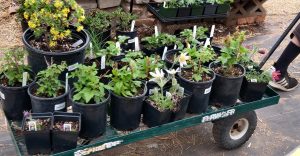
One of our specialties is fruiting plants that are adapted to Colorado conditions. All the apples we carry are resistant to fireblight, good tasting, and will ripen in our short season. And the cherries we sell are all proven successful in Colorado. Our grapes are the most cold-hardy you will find, delicious fresh, in juice, and a few are good for wine. Here is a small selection of our many great fruits for Colorado:
CURRANT – 6 Varieties, including:
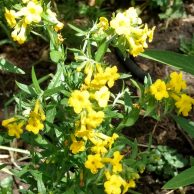
Crandall Clove Currant and Gwen’s Buffalo Currant – Both are 5’x4’ with very fragrant yellow flowers in spring and annual bearing of sweet-tart berries full of healthy phytonutrients and reddish fall color; these are native currants selected for better fruit
Imperial White Currant – Clusters of white fruit with rich flavor, early ripening, from 1895
Alagan Black Currant – Sweet and strong flavored European, culinary and medicinal, need 2
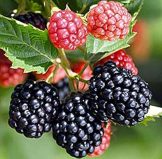 BLACKBERRY – Triple Crown Thornless Blackberry, Prime Ark Freedom – Late blooming so avoids late frosts, medium to large sweet berries, semi-trailing, best pruned to 8’
CHERRIES – 8 Varieties!
Bali Cherry – semi-sweet cherry, very hardy to -54F, good for fresh eating and baking
North Star Cherry – a natural dwarf 6′-8′, good tasting fruit, dependable, good ornamental too
Orient Nanking Cherry –Selected for flavor; it’s good; same 6’ height, xeric, red cherries
Other cherries: Montmorency, Mesabi, Carmine Jewel, Juliet, Romeo
7 ELDERBERRIES, including:
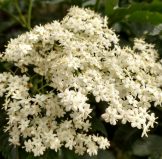
Johns, York and Adams Elderberries – Larger berries, 8’, better edible elderberry, need two to pollinate, beautiful white flowers, berries are high in nutrition, loved by the birds
Sambucus canadensis – selected for cooking & wine
Sambucus nigra- European variety, bigger, favored for medicinal value
Plus, Marge, Mikl’s, Thudercloud, Black Lace
Hinnomaki Red Gooseberry –Excellent flavor, tangy skin, sweet flesh, 3′, productive
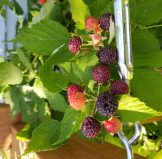 Invicta Gooseberry – Very large greenish white sweet fruit, very productive, vigorous
Niwot primocane Black Raspberry
Bred in Longmont, fruits on new wood, excellent flavor
Also, Caroline, Heritage and Polana red raspberries
STRAWBERRIES
We will have a wonderful selection of Colorado-adapted strawberries with REAL Strawberry Flavor
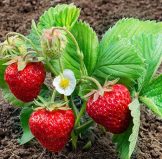 Ogallala – Old-time favorite cross between wild Rocky Mt. strawberry and garden varieties. Okay with less-than-ideal soil, everbearing, productive
Fort Laramie – Everbearing, large, sweet, aromatic fruits, heat & cold tolerant
EarliGlow – June-bearing, some say THE best tasting
Alexandria Alpine and Yellow Wonder Alpine – Runnerless, small intense fruit
Ozark Beauty – very productive, vigorous, hardy, everbearing, large fruit, sweet flavor
 PLUMS
Mount Royal – Deep blue sweet, juicy flesh, mid-late Aug, self-fertile, tough
Toka – Rosy-red, freestone, spicy & sweet, ripens Aug/Sept, very productive, requires a pollinator
Also, Stanley, Italian, Superior, Toka, Alderman
 PEACHES
We may not be able to offer peaches this year, check back later in the season
 APPLES
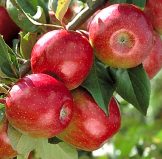
Cortland – crisp, juicy, delicious fruit, for fresh eating, baking, cider
Sweet 16 – sweet & juicy, aromatic, stores well, zone 3, successful
Dakota Gold – large, yellow fruit is good fresh, for sauce and pies. Zone 2-3, keeps for 1 wk
Also, Liberty, Haralson, Honeycrisp, Hazen, Macfree, Mandan, Zestar, Freedom, Honeygold, Red Baron, Snow Sweet, Haralred, Sharon
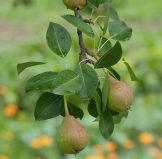 PEARS
Summercrisp, Parker Pear, Nova, Manning-Miller, Hudar and Loma
GRAPES
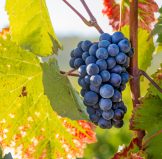
Swenson’s Red – large red grape, high sugar content, delicious flavor, good for wine, seeded grape
St. Theresa – purple seedless grape, excellent flavor for fresh eating, juice, raisins, vigorous
Flambeau– pink to red seedless, very sweet, not a big vine for an arbor
Trollhaugen – blue seedless, sweet Concord-like flavor, ripens early, very hardy
Valiant – hardy to zone 3, semi-sweet, seeded grape, best for mountain growers, good for an arbor
Marquette – very hardy wine grape, zone 3, dark blue seeded with high sugar content, notes of cherry, spice
Concord Seedless – same Concord flavor, sweet, vigorous, productive, very good for juice, table, jellies, pies
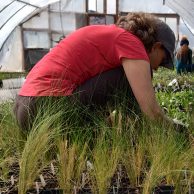 We’ve been in high-gear this season, propagating more plants and stocking more soil products than ever so we wouldn’t be vulnerable to supply-chain disruptions caused by the pandemic and extreme weather events. So now we have a wonderful selection, and most of them are on sale!
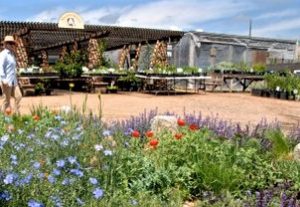

 Please,
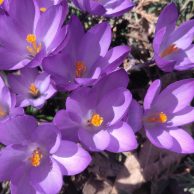 Do you have plants that you like, but that need to be moved to a different location in your garden? Or has your clump of Shasta Daisy, Daylily, Hardy Geranium, etc. become too wide and now needs to be divided? By dividing your mature perennials, you get free plants to expand your garden, to give to neighbors, or pot up and donate to a fund-raising event like KGNU FM Community Radio’s Spring Plant Sale! The next couple of weeks bring the very best opportunity to accomplish these moves without stressing your plants too much. Search the web for instructions from a trusted source for dividing the specific plant you’re working with.
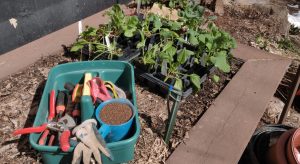
 Unexpected cold snaps can still occur even after the last average frost date (around May 9). Just as we need to add another layer of clothing during cold snaps, our warm-season veggie starts also need additional insulation as the spring season and soil slowly begin to warm up. This layering can come in several forms, each with their own advantages and applications: low-tech
 THANK YOU TO ALL OUR MEMBERS!!!
 Little
 Q: Can I plant now?
 COOL SEASON VEGGIES
 Dear Friends and Fellow Gardeners,
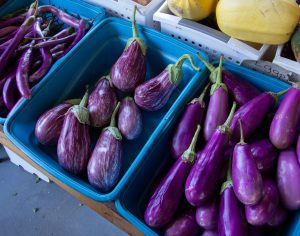 EGGPLANTS

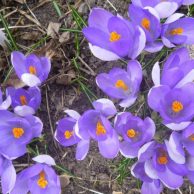 How did we possibly get this far? When we first opened in 1992, we had 2 acres a half mile down a dead-end gravel road, a dry well, a barn and a little greenhouse, and a few tables with plants. But we had a vision of a plant nursery that could serve Colorado’s Front Range and do it ecologically. We did have a country atmosphere and a great view. We had a lot of heart, but we only succeeded because an ever-increasing number of you found us and told your friends.
 Can we have human health if our domesticated animals, wildlife, plants, and all nature are unhealthy, polluted, poisoned, weak and struggling? The answer seems to be NO. Climate Change “…coupled with a species-extinction crisis, habitat and soil degradation, pollution, extensive destruction of forests and coral reefs…” are all leading to our current health crisis.
 We might ask ourselves: Why does the USA, the richest country in the world, lead the world in coronavirus cases and deaths? With only 4% of the world’s population, we have 25% of all cases and 20% of all deaths. This cannot be blamed on mismanagement alone. Our government has for years favored business profits over public health and environmental health. For example, the EPA website warns that glyphosate (active ingredient in Roundup) at 700 parts per billion can cause “problems with kidneys or reproductive difficulties” and yet 700 ppb is the permitted level in U.S. tap water. Only .1 ppb is allowed in European Union tap water. Roundup also causes many problems with fungi, bacteria (like in our guts), kills insects, birds and in general undermines the health of our planet. It shows up in baby food and beer. This is one example of a poison in our ecosystem that is leading to the poor health in our nation and in our world.
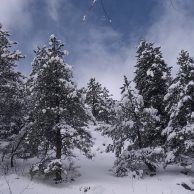
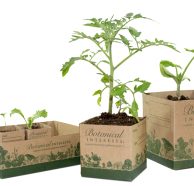 Even though we are about to receive our biggest snowstorm of this winter thus far, you can still make great progress on your garden by starting seeds indoors or even outside if your garden is prepared and you’re quick and can sow them tomorrow morning! You can also plant our hardy perennials, vines, shrubs and trees that have overwintered outdoors ahead of the storm. And our
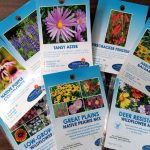 BBB’s specialties include individual wildflowers (many locally native!), wildflower seed mixes, and pollinator-supporting mixes specific to honeybees, butterflies or hummingbirds. Many of their offerings are hard to find elsewhere.
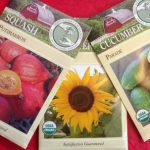
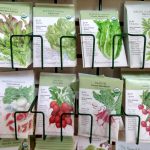 Botanical Interests goes to great lengths to provide all the information you need, and more (like an illustration of what the seedling looks like when it emerges), on both the outside and the inside of the packet, plus stunning, botanically accurate illustrations by highly skilled local artists adorning the front of each packet! We have carefully selected varieties from their catalog that will thrive in Colorado’s short season, early heat, cool nights, etc.
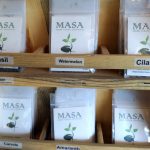 AND – NEW THIS YEAR! from MASA Seed Foundation, a wonderful line of locally-adapted seeds from master seedsman Rich Pecoraro and colleagues! Their seeds have been trialed, selected and reselected over the years to succeed in Front Range Colorado growing conditions. In our experience, these seeds have high germination rates and great seedling vigor, and develop into healthy plants, often with superior drought, heat and cold tolerance and disease resistance.
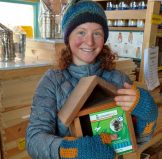
 Annika started working for Harlequin’s Wholesale in 2022 after moving to Boulder from Minnesota. She now leads our propagation operation. She grew up gardening with her mom and grandma, and made it into landscaping in her community. Annika loves caring for plants everyday and watching them grow.
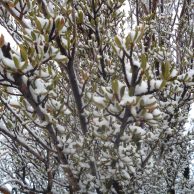 Attractive Evergreens for Colorado Gardens

 We’ve heard from some of you that your trip to Harlequin’s for holiday gifts was your first foray into shopping since the COVID precautions began! This is such a strong affirmation that we are offering something of real value and importance to you, and we are honored to have this level of support!
 If you were lucky enough to get any mason bees nesting this spring, you’ll want to coddle them through the winter. Their populations are down throughout Boulder County because of the weather, and Tom Theobald, our usual supplier, isn’t even sure whether he’ll have any for sale next spring.
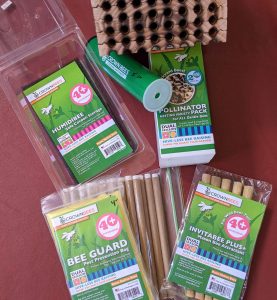
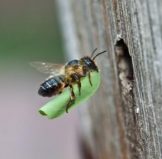 You can do the same with leaf cutter bees but handle them very carefully as they aren’t yet mature. Our supplier, Crown Bees, will be
 MARCH
 AUGUST 23 thru 29th
 OCTOBER 1st

 Peak State is Colorado’s high quality, sustainably grown coffee infused with botanical extracts of functional mushrooms so you can have the best of both worlds: the taste you love and the powerful benefits of the mushrooms to help you through the day.
 There aren’t many Reshetniks left in the US, and yes – you guessed it – this one is my beloved big brother. And I couldn’t be more proud of him for this exquisite recording, a true labor of love, which I love to listen to, repeatedly. I believe you will, too!
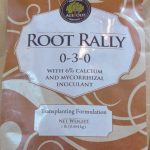
 This is the perfect time to feed your roses, perennials, and lawn using a slow release organic fertilizer. This type of fertilizer won’t push undue growth now, but instead help your plants prepare for next spring. We recommend Mile High Rose Feed for your roses, Alpha One Fertilizer for your perennials, and Nature’s Cycle Organic Lawn Fertilizer for your turf.
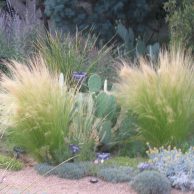
 On our hikes, it seems we’re often exclaiming, “What a beautiful plant combination!”. Mother Nature’s inherent beauty and functional placement provide an amazing guide and inspiration for what we can create in our home garden or ecosystem. Mother Nature also helps guide us on how we can best support our pollinators.
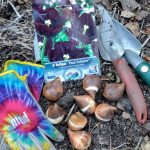
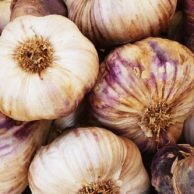 It’s time to buy your ‘seed’ garlic, which you should store in a cool, dry, well-ventilated place until planting time, from mid-October to mid-November. Seed garlic bulbs are specifically chosen for planting because they are the healthiest bulbs with the largest cloves, and they are intact. By planting the largest cloves, you’ll be rewarded with a harvest of big, juicy bulbs.


 How to maximize your output

 We have a once in a lifetime opportunity to protect one of the most unique parcels of land in Boulder in a way that would have lasting impact on the community for generations to come. In 2014, Boulder native Timothy Francis and his wife, Kerry, broke ground on a half-acre garden called Dharma’s Garden—named after a deer who was born where the garden now stands. Their nonprofit was founded to pursue the greater vision of the whole five-acre property as a fully integrated educational farm and homestead.
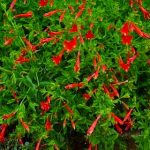
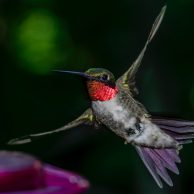 Hummingbirds are zipping and humming and sipping around our gardens, partaking of the summer’s bounty of nectar-rich flowers, many of which are ‘color-coded’ specifically to attract them. And you’ll want hummers in your garden, not only because they’re beautiful, not only because some plants depend on them for pollination, not only because migratory birds are imperiled, but also because they eat prodigious numbers of small flying insects like mosquitoes! And did you know, some hummingbird have been known to live up to 25 years!
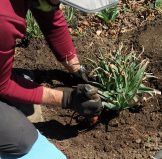
 For over a quarter century Harlequin’s Gardens has shared plants, Eco-products, and advice for organic methods of gardening with our community. We are proud of the success so many have had and have wanted to share their results! So, we’ve created Harlequin’s Virtual Garden Tour for our community to share not just photos of their gardens but also a little about gardening goals, styles and experiences–especially sustainable approaches.
 After retiring from a full time career in healthcare, Mary worked at Longwood Botanical Gardens where
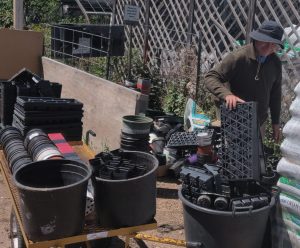
 All spring we have been advising you not to prune out branches without leaves yet. After last October’s flash freeze and this March’s freeze of the new leaves, it was important to give shrubs, trees and roses time for a second set of leaves to come out before removing wood. By now we should be seeing new green leaves forming if the wood is still alive.

 Pollinator week is a special time for Harlequin’s Gardens – a time when we can celebrate the hard-work of bees (honeybees, solitary bees, bumblebees) wasps, ants, flies and bee flies, butterflies and moths, beetles, some bats and birds, and some mammals. They’re all around us, connecting the dots between flowers and food.