
• Skip to primary navigation
  • Skip to main content
  • Skip to primary sidebar
  • Skip to footer
Harlequins Gardens

Harlequins Gardens

Boulder's specialist in well-adapted plants

We Re-Open Jan 8, Thu–Sat, 10–4, through Feb!

Gift Memberships & Gift Certificates  – available online!
See our seasonal hours and address, below. • Read our latest e-newsletter!

  • Home
  • About
    • About Us
    • Staff
    • Display Gardens
    • Why the Name “Harlequin’s” Gardens?
    • Sustainability
    • Policy on Pesticides Including Neonicotinoids
    • Careers
  • What We Offer
    • Products
    • Plants
    • Retail Plant Pre-Ordering is Closed for the 2025 Season!
    • Gift Certificates
    • Membership
  • Plants
    • Annuals
    • Bulbs
    • Fruits
    • Groundcovers
    • Herbs
    • Natives
    • Ornamental Grasses
    • Perennials
      • Plants for Pollinators List
    • Roses
    • Vegetables
      • Tomato Starts
      • Pepper Starts
      • Other Vegetable Starts
      • Fall Vegetable Starts
      • Garlic
    • Xeriscape
  • Resources
    • Recommended Gardeners & Landscapers
    • Mikl’s Articles
    • Plant and Cultivation Information
    • Newsletters
    • Links
  • Garden Tours
  • Events
  • Classes
  • Blog
  • Wholesale
    • Wholesale Sales
    • Who Qualifies
    • Wholesale Pricing & Sizes
    • Wholesale Terms and Conditions
  • Contact
Home | Blog | Protecting Trees and Shrubs in Winter

Protecting Trees and Shrubs in Winter

January 20, 2026

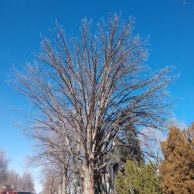
Another January day in the 50s? The buds are swelling, crocus are blooming. Only one other recorded winter was this warm and dry. Will these extreme conditions be harmful to our trees and shrubs? We don’t need to panic; our care can help.  

Trees and shrubs do have energy reserves; they have evolved to be capable of living through difficult conditions. Many shrubs need less water and can regrow from their roots. It is normal for buds to be swelling somewhat in January. Trees and shrubs are making leaf buds all winter so that when the day length and warmth of spring arrive, the leaves can unfurl and start photosynthesizing. And if temperatures drop dramatically or suddenly and kill buds, a healthy tree has “back-up” buds and enough energy to develop a new set of buds. However, multiple successive seasons of stressful conditions can cause serious damage or death. Here’s how we can help trees get through difficult times:

Water trees and shrubs deeply once or twice a month in the winter, 10-20 gallons per trunk diameter inch (more for older, larger, and weaker trees); water during the warmth of the day (40 degrees F or above), when there is no snow cover. Water with a slow running hose, a sprinkler, a drip bucket(s) or a watering bag, in a wide ring beneath the ‘drip-line’ (the outer edge of the branch canopy). This is where the tree’s feeder-roots are located. Do not water right next to the trunk, or in only one spot. Try for equal distribution on all sides.

  • Mulch: a 2” layer of shredded leaves, wood chips, straw, etc. helps hold moisture around the roots and to keep soil biology alive, and mulch can insulate the roots. Insulating the ground can keep trees, shrubs and perennials in winter dormancy, and less likely to make premature growth.
  • Soil Biology: When spring does come, feed the soil biology with organic matter, rock minerals and a little organic fertilizer. Organic matter holds water and feeds those carbon-based organisms that bring water to the roots. Soil life strengthens the plants so they can tolerate more stress, and bloom and fruit better. Vitality is the best protection against all stresses, including drought, global warming, insect pests and diseases. Plants send nutrients to the soil life; they don’t see themselves as separate from the soil organisms. We humans should treat them as partners.
  • Don’t use pesticides and fungicides if you want healthy soil and plants. This is not a theory. Stop using poisons and watch your plants become healthier.

Tags: sustainable gardening Categories: Blog, Articles: Trees, OLD-Blog

sidebar

Blog Sidebar

Sign-up for E-Newsletters!

Sign-up for our weekly e-newsletters to receive empowering gardening tips, ecological insights, and to keep up on happenings at Harlequin’s Gardens — such as flash sales and “just in” plants. We never share customer’s addresses!

We do not ship plants!

Our plants are for sale ONLY at our Boulder location. We DO NOT ship plants or any other products.  Come visit us!

Hours by Season

SUMMER HOURS
Tuesday-Sunday, 9AM-5PM


Footer

Contact Us

303-939-9403 (Retail)
staff@harlequinsgardens.com

4795 North 26th St
Boulder, CO 80301

Sign-up for E-Newsletters!

Sign-up for our weekly e-newsletters to receive empowering gardening tips, ecological insights, and to keep up on happenings at Harlequin’s Gardens — such as flash sales and “just in” plants. We never share customer’s addresses!

Map

Our Hours

Seasonally, MARCH to OCTOBER.
MARCH HOURS:
Thursday-Sunday, 9AM-5PM

APRIL-OCTOBER HOURS:
Tuesday-Sunday, 9AM-5PM. Closing Oct. 30

JANUARY - FEBRUARY HOURS
Thursday-Saturday, 10AM-4PM

Mondays, CLOSED

The plants we grow are organically grown. All the plants we sell are free of bee-killing neonicotinoid pesticides.