
Think before you ‘clean up’.
DON’T BE TEMPTED TO CLEAN EVERYTHING UP!
It’s important to leave many of those leaves and plants alone to support our beneficial insects, birds, and soils. It might be the most sustainable thing you can do this season! With pruners in hand, I recently approached a cluster of very large fennel plants loaded with thousands of ripe seeds, intending to cut all of the branches off before the seeds fell.
Fortunately, I looked closely before cutting, and found ladybugs and their voracious aphid-eating larvae on many of the stalks and branches. Looking even more closely, I found the clusters of very tiny aphids those efficient garden helpers were after.
A certain amount of garden clean-up is very important for reducing diseases and pests that are difficult to control. If you haven’t already done so, do remove diseased plants from your vegetable garden. If the affected plants were growing in big pots, discard the potting soil as well, and wash the pots thoroughly before storing them for winter. You should have been removing and treating diseased foliage from roses or shrubs with fungal diseases like mildew, blackspot or rust before now, but as their disease-carrying foliage begin to fall, keep them picked up and dispose of them responsibly. Please don’t include them in your compost or the city’s compost.
But don’t be so quick to scalp those perennials and annuals! Many of them provide natural food and shelter sources that wildlife and beneficial insects depend on for winter survival. You may not have noticed, but so many beneficial insects and butterfly larvae spend the winter in the (often hollow) dead stems. If you throw them out, you’ll lose most of the beneficials that would otherwise keep the balance next year. Always keep an eye out for egg cases attached to stalks when you prune or clean up. There’s often an aesthetic side-benefit – many seed-heads look fabulous either crowned with snow or silhouetted against the snow-covered ground.
Some perennials die back to below ground (peonies, false indigo, gas plant, golden banner, balloon flower, desert four o’clock, gayfeather, leadwort/plumbago, etc.) leaving no basal growth and leaving a completely blank space. To make sure you don’t forget where they are and accidentally dig them up or step on them, leave dry stems until the new growth begins to appear in spring.
Unless you have an ‘ornamental’ grass that self-sows aggressively, leave grasses and their seedheads standing. Most ornamental grasses are especially valuable for their fall and winter interest, and cutting them down too soon deprives the garden of important aesthetic components as well as habitat for beneficials. If they are ‘cool-season’ grasses (Calamagrostis Karl Foerster’s, Avalanche, Overdam, and Korean), Junegrass, Indian Rice Grass, you’ll want to leave them until about mid-February, then cut them back to 2
or 3” above the ground so they can begin making unimpeded new growth as soon as the soil thaws. Dormant ‘warm-season’ grasses can remain attractive until warm weather comes and don’t need to be cut down until late March/early April. Evergreen grasses such as Helictotrichon (Blue Avena or Blue Oat grass) and evergreen Fescues shouldn’t need to be cut down at all, just combed through to remove dead leaves.
Leaving dry stalks standing in the winter also helps preserve soil structure. Snow collects between the stalks and provides protection from freezing temperatures by insulating the crowns of the plants, especially important for marginally hardy plants. Captured snow keeps soil temperature more consistent, protecting from extreme temperature fluctuations, and helps prevent the alternate freezing and thawing that can disrupt mycorrhizal networks (and uproot plants, especially new and small ones).
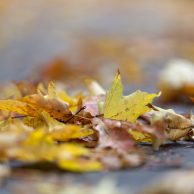
Leave the leaves! The larvae of many butterflies and other beneficial insects overwinter in the blanket of autumn leaves. The leaves also provide cover for frogs, toads and spiders. Songbirds that stay here for the winter, like finches, sparrows and chickadees, eat more than just seeds; they search in the leaf litter for protein-rich insect eggs and caterpillars. As leaves naturally break down over time, they feed the soil microbes that make nutrients available to plants. Worried about harboring snails and slugs? Before those leaves begin to fall, spread a non-toxic slug bait like Sluggo (in stock at HG) in areas of concern. You may want to remove leaves and twigs from patios, decks, walkways and lawns, and that’s fine – especially if you can spread them under shrubs or pile them in a corner where they’ll remain undisturbed through the winter. And very large, flat leaves from trees like Catalpa, Basswood (Tilia americana), Norway Maple, Sycamore/London Planetree) should be cleared from beds or they can form a slick solid mat that smothers the crowns of smaller plants.