How To Plant in July And Keep Your Gardens Alive!
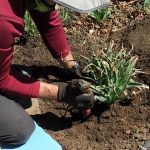
1) Before planting , prepare the soil by adding 2″ of compost and dig it into the to top 6″-8″ of soil OR Add 1″-2″ of expanded shale with the compost, then dig it in. This will open clay soil, increasing both porosity (aeration) and water holding capacity. Set the prepared soil aside.


 The project began with killing the bluegrass turf in the project areas. They chose to use two applications of glyphosate, a product that we at Harlequin’s Gardens cannot promote because of its toxicity to humans, wildlife and soil life. Instead, we recommend several non-toxic options, including mechanical sod-stripping, solarizing, and sheet mulching.

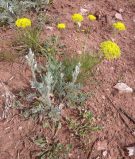
 These are native plants that we often have for sale during the growing season. Availability does change every year, but we grow and buy a wide variety of natives because they are so successful in our gardens.
 One of the beautiful alternatives to a standard, water-thirsty, solid green, mowed Kentucky Bluegrass lawn is a naturalistic meadow composed of low-water clumping grasses and wildflowers.
 We cut, dig and store our dahlia tubers just after the first frost. Our friends at Arrowhead Dahlias have easy instructions.
 XERISCAPE TREES AND SHRUBS for SUN